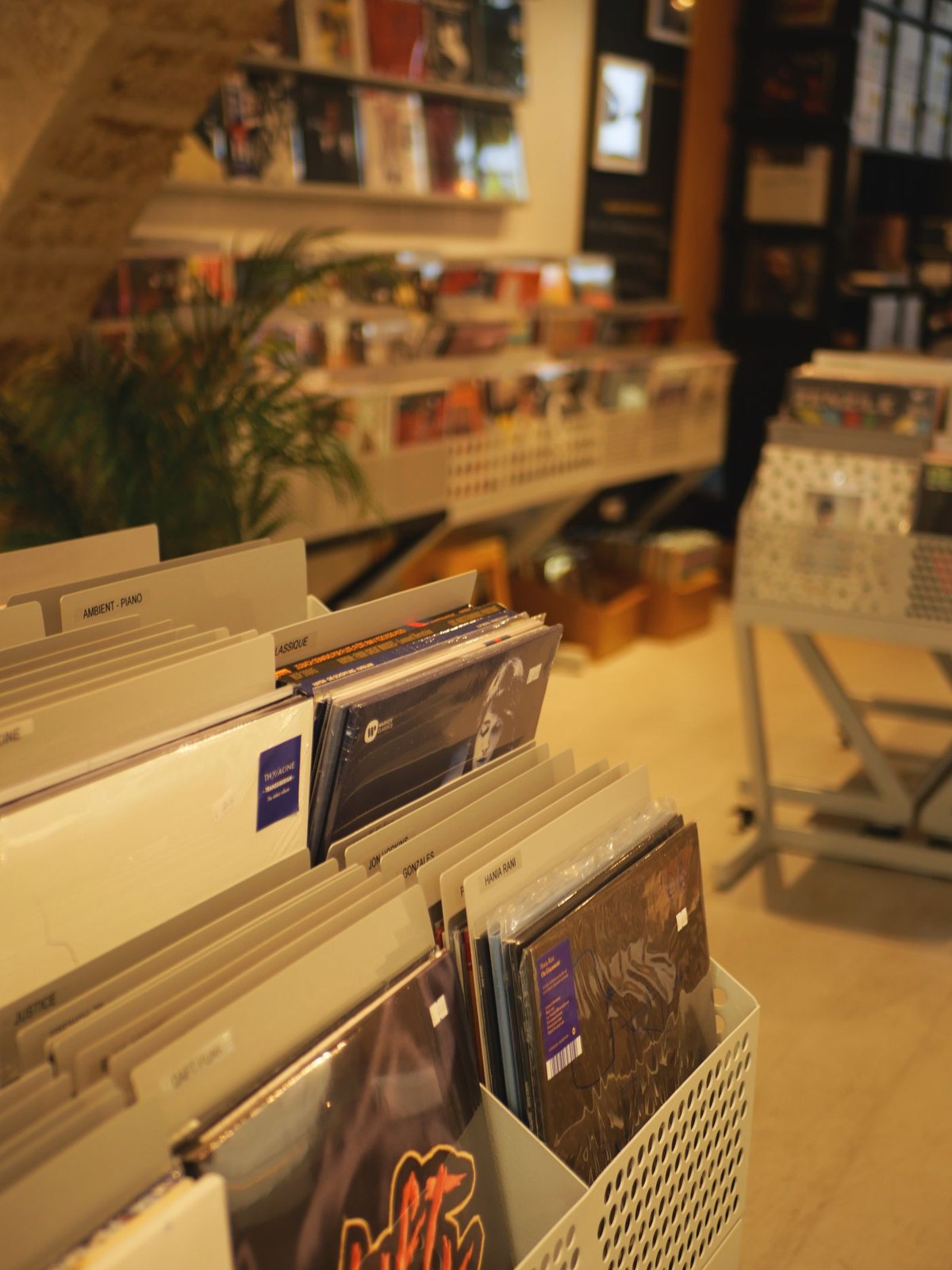
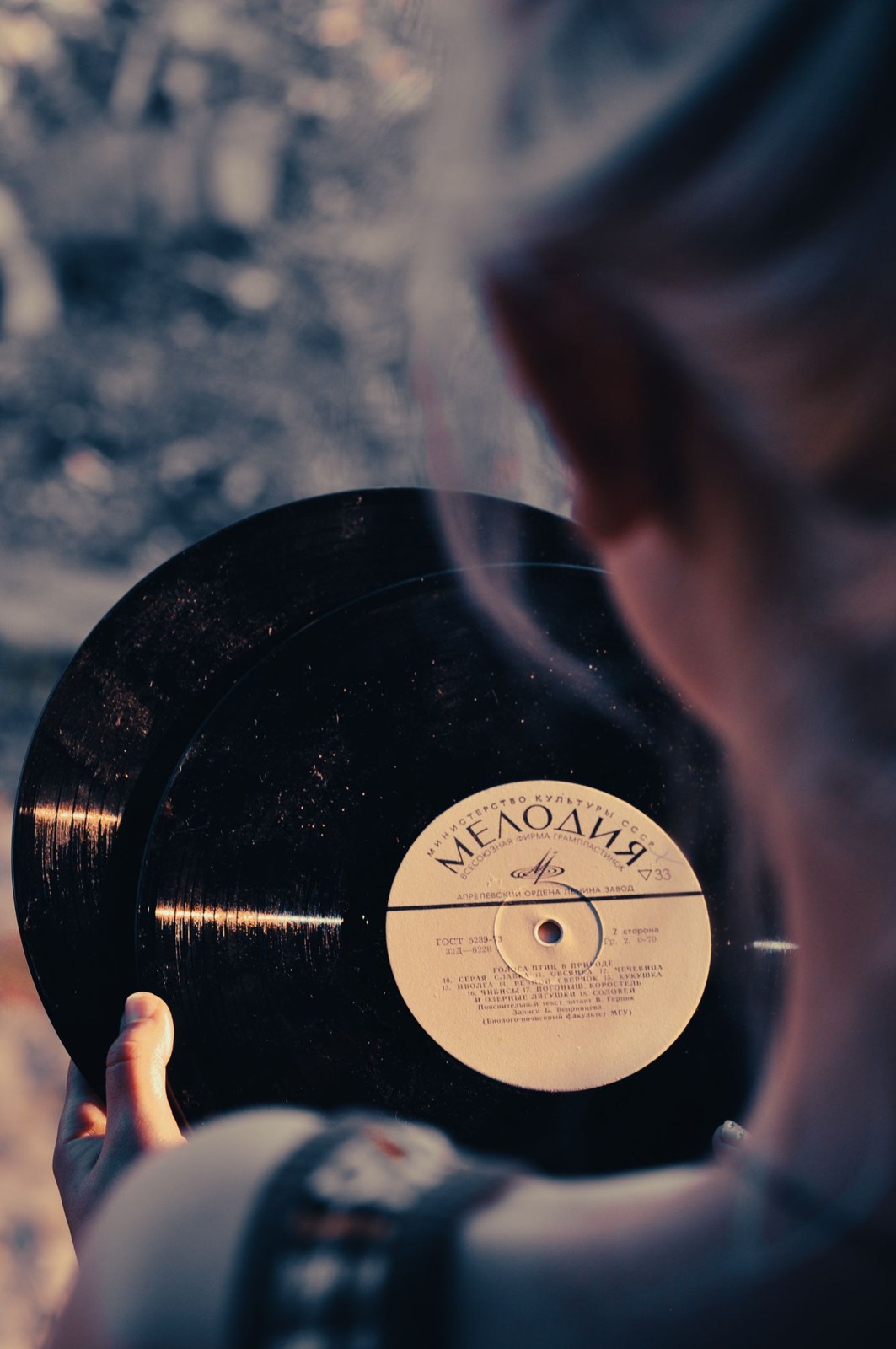
Starting a Billy Talent record collection
Begin with a record you genuinely want to hear.
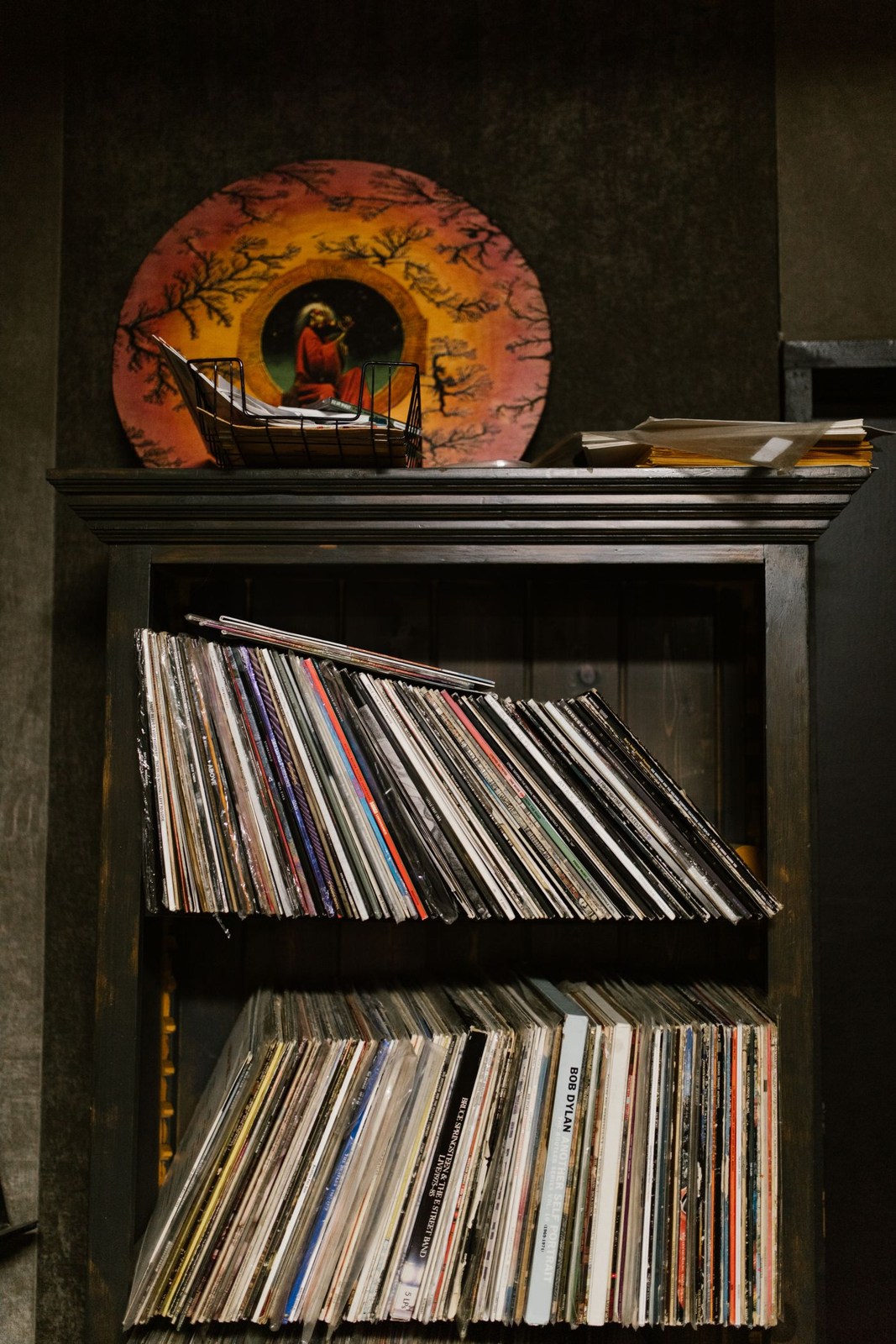
A collection does not have to begin with a rare edition. One album you enjoy returning to, in a format you can actually use, is enough. That modest starting point avoids a common detour: buying several interesting objects before deciding which music and which kind of collecting will be enjoyable.
Choose a focus first
Do you want studio albums for listening, different packaging to compare, or releases in one particular format? These aims lead to different decisions. A well-described standard edition in suitable condition may serve a listening collection. Someone interested in design will also care about booklets and inserts. Neither approach requires pursuing all the others at once.
Write one sentence describing the first stage: I want these albums available to play at home. Alternatively: I want to compare the presentation of my three favourite releases. The sentence is not a permanent contract. It simply distinguishes an attractive offer from one that belongs to your present project. You can deliberately change direction later rather than expanding the scope unnoticed on every shop visit.
Next, check your playback options. A turntable, CD player and device for digital files are not interchangeable. A format can be wanted purely as an object, but that should be intentional. Discovering after unwrapping that a purchase cannot be heard in your normal routine is an avoidable disappointment.
Start small and learn from using it
Choose one release and, after a few weeks, note what has mattered about owning it. Do you read the booklet? Play the whole album? Find the storage space inconvenient? These answers are more useful than a theoretical list of every possible variant. They reveal which features should influence the next purchase and which merely looked appealing in a product photograph.
Set aside a defined place for the collection and keep a wish list separate from items already ordered. An album awaiting delivery is not a gap requiring a second purchase. Keep receipts and edition details with private notes, without putting sensitive payment information into a public collection list.
The band's official music catalogue provides orientation about album titles, while a shop shows its particular selection. A release can belong to the musical history without being available there at the moment. Your collection is not deficient because it does not reproduce a current storefront. Its useful size follows your interests, space and listening habits, not an imagined obligation to own every variant.