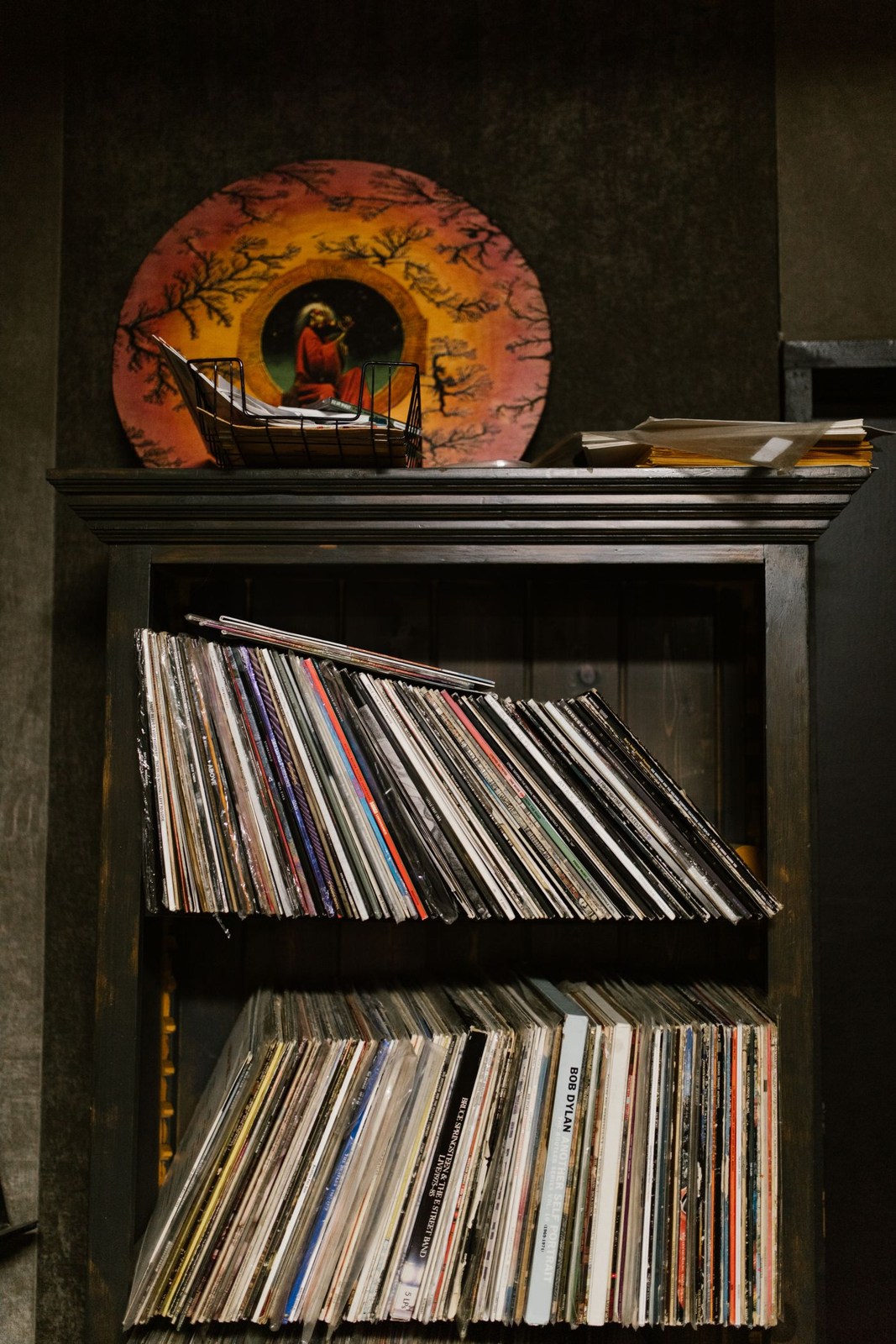
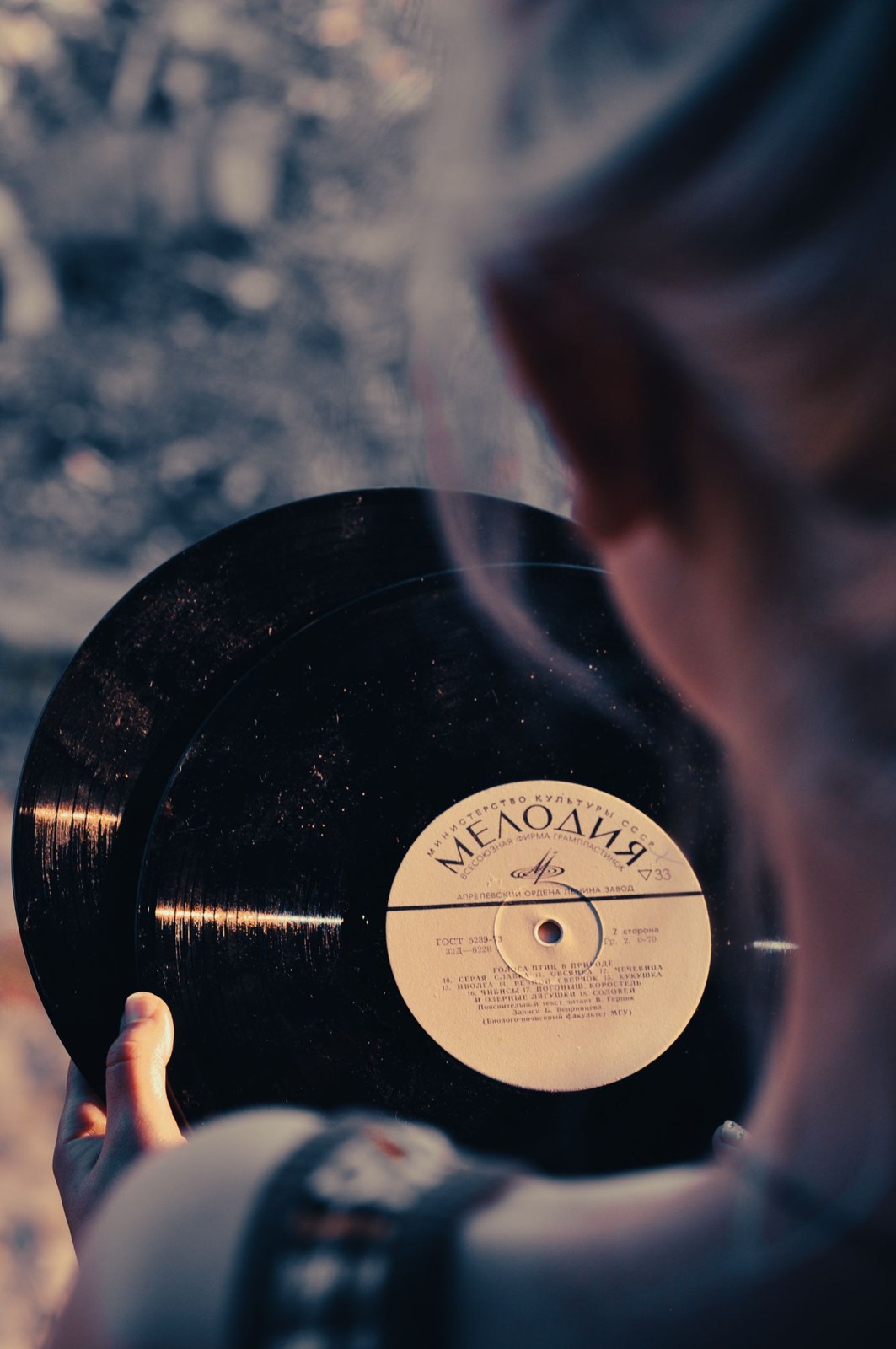
Original release versus reissue
The age of the music and the date of a particular edition are separate facts.

A new product date does not automatically mean new music. A later edition of a familiar album involves several dates: the recording, its first release and the appearance of this particular product. Keeping them separate makes a collection easier to understand. Otherwise, a reissue can accidentally become the supposed debut of a long-established record.
The official shop's Watoosh! product listing provides an example with its January 31, 2025 release date. That date belongs to the edition offered there. It does not establish that the underlying music originated in 2025. Describing it as an edition already helps distinguish the object on a shelf from the earlier musical release.
Reissue does not say what changed
A reissue can make an older title available again. Changes to packaging, format, selection or audio processing need separate evidence. Terms such as remastered or remixed should not be inferred from a more recent date. A new pressing is not automatically a new mix, and extra printed materials do not automatically mean extra music.
Start by comparing the track lists of the specific editions being offered. Are the number and order of tracks the same? Are additional recordings explicitly identified? Then examine production details. If a description gives only a colour and dispatch date, the question of mastering remains open. Keep that uncertainty as visible in your notes as a confirmed feature.
Original is ambiguous too. A seller might mean an authorised release rather than an imitation, the first edition in a territory, or simply an older pressing. Ask which meaning applies. A broad claim cannot replace details of the actual copy. Conversely, a clearly identified later edition is not unsuitable merely because its manufacture is more recent.
Keep two dates in the collection list
Use one field for the album's original release year and another for your edition's year. Add its format and identifying number. If the edition date is uncertain, record it as unknown rather than borrowing a date from the first similar-looking listing. An honest gap can be resolved later; false certainty easily spreads into further notes.
The music remains more useful than a general competition between old and new. An early edition may have personal or visual significance, while a later one may serve your purpose equally well. Age or an anniversary label alone cannot guarantee a particular sound. Choose on the basis of documented features and intended use, not a hierarchy that confuses a product date with musical value.