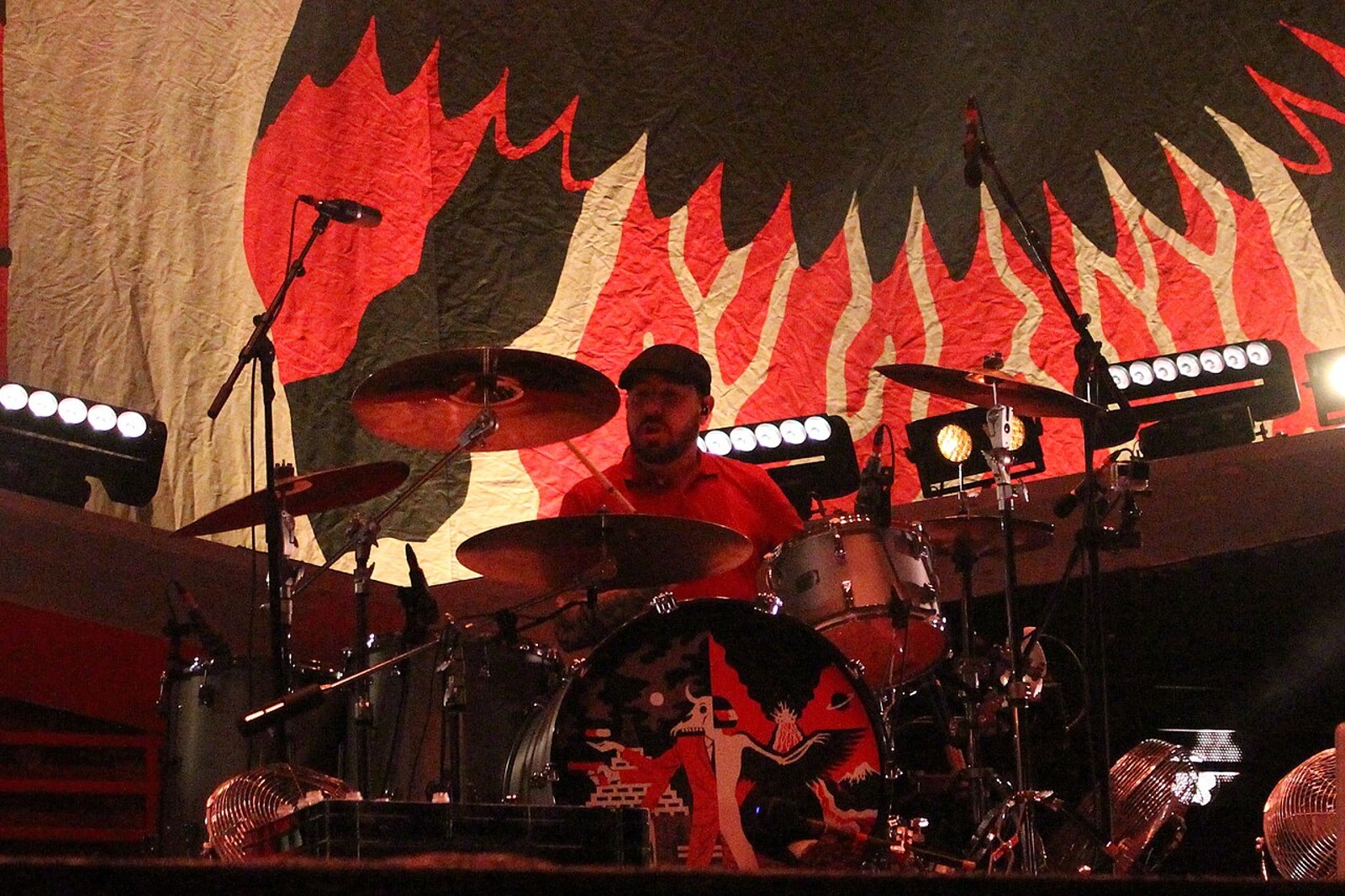
A drum fill does more than announce a chorus
Hear a short rhythmic departure in the context that gives it a purpose.
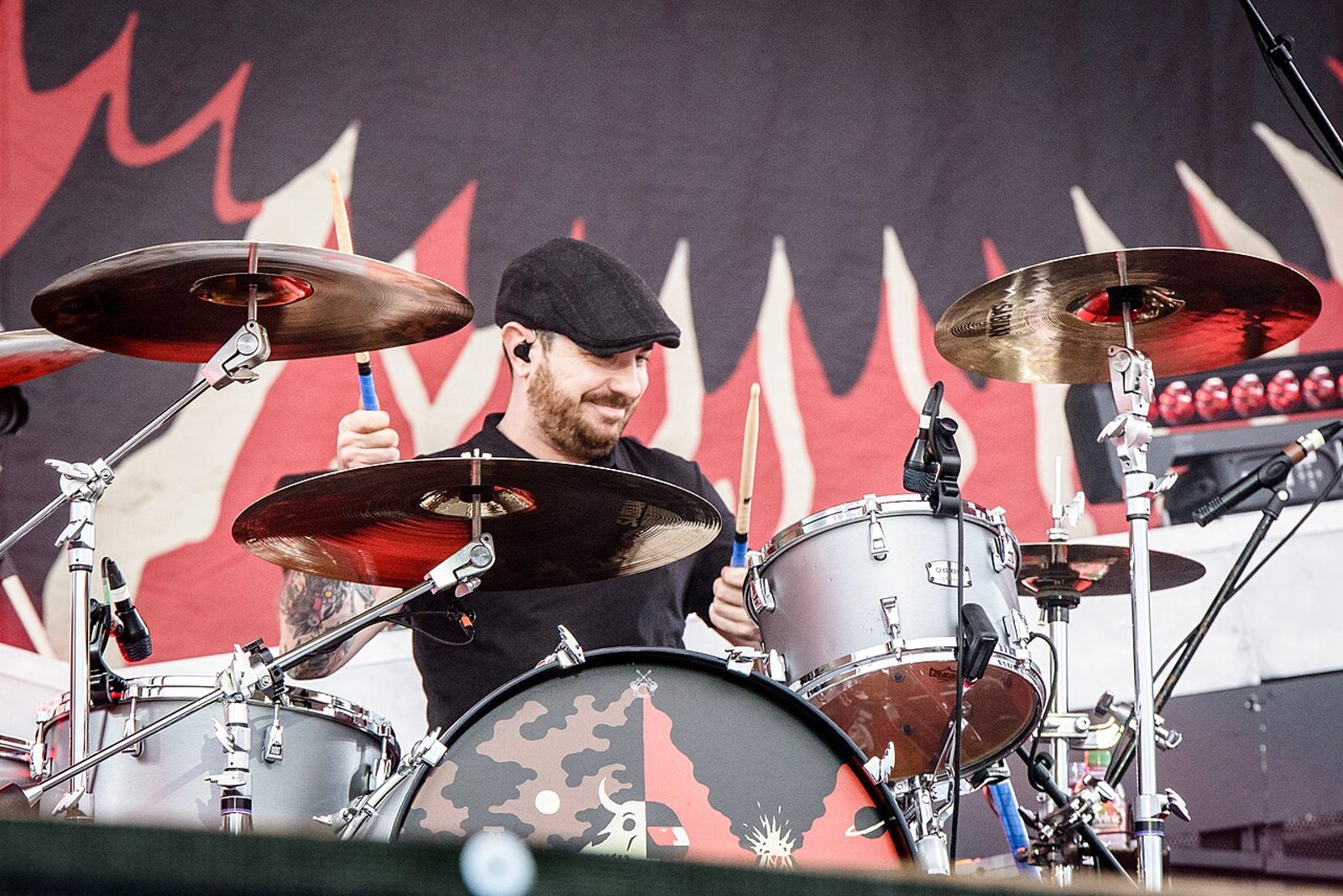
A fill is a brief departure from an established drum pattern. It often becomes noticeable before a new section, but not every fill has to announce a major change. It can enliven a repetition or close an individual phrase. Looking only for spectacular drumming in Billy Talent recordings may therefore overlook smaller adjustments that make a progression understandable. A short event can organise the whole without becoming the main attraction.
Learn the surrounding pattern first
Choose a passage from a recording you own or access through an official service. Begin with what remains similar over several repetitions. Once the expectation is clearer, a departure can be described more meaningfully. You need not identify every drum. Following a recurring low event, a brighter accent or a regular noisy sound is enough. A provisional description gives you something to test without pretending your first impression is a complete transcription.
When a change catches your attention, hear several seconds before and after it. What follows: a new vocal line, a familiar pattern or an open moment? That setting gives the fill its transitional function. Heard alone, the same sequence may sound impressive while its purpose remains unclear. For commentary, the connection is often more informative than guessing how difficult the individual strokes would be to play. Complexity and function answer different questions.
Activity is not automatically acceleration
More events in a short space need not mean the underlying tempo has changed. A denser sequence can occur within the same pulse. Try quietly maintaining the preceding pulse with a finger as the fill passes. Losing it initially says something about your attention, not necessarily that a tempo change occurred. A technical claim requires more careful checking than an impression of sudden activity. Describe what you noticed before naming its cause.
For an original exercise, tap a simple pattern several times and alter only the final repetition. Return to the original pattern afterwards. Notice whether the return arrives where expected. The exercise requires neither speed nor imitation of a band recording. It demonstrates that a departure can derive its effect from preserving a shared orientation. Changing every feature at once would make that relationship harder to notice, so keep the experiment small.
On the next album pass, simply recognise one transition deliberately. The following section may now feel more prepared even though previously only its entrance stood out. That is a concrete result. A fill need not be promoted to a solo moment in order to matter. It may work precisely by carrying attention towards the next decision in the arrangement, allowing the change to feel coherent without demanding that the listener stop to admire the connecting gesture.