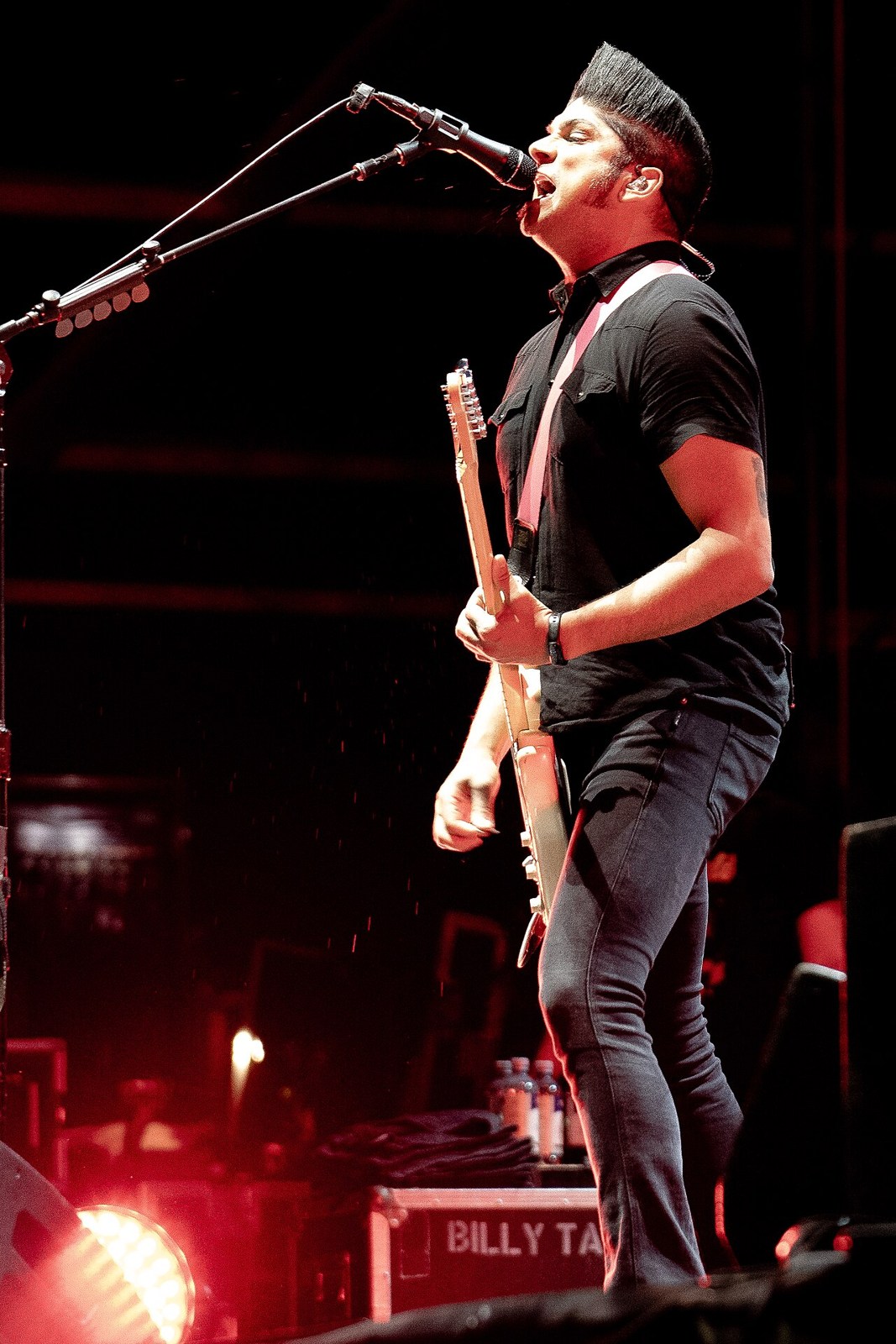
Rhythm also lives in the gaps
Note endings and open spaces can shape a figure as strongly as its entrances.

On an initial listen, events attract attention: a hit, a chord, a vocal entrance. Rhythm also involves their distances and endings. A guitar figure can retain the same entrances while feeling different if notes continue longer. For an experiment with Billy Talent II, the useful question is therefore not how to collect ever more detail, but where something stops or makes room. Following endings provides a different route through material you may already know.
Mark an ending
Choose a short passage and tap only when you notice a clear note ending. This may feel unfamiliar because the usual reflex follows the beginning of an event. Do not try to catch every ending. Find two or three you can identify reliably. On another pass, ask what happens in the newly available space: does another instrument remain, does a sound trail off, or does the moment seem empty? The questions distinguish different kinds of gap.
Empty should not automatically mean complete silence. Reverberation or another instrument can continue while the line you were following pauses. Name which layer has stopped. A guitar rest is not necessarily a rest for the entire band. This distinction can clarify changes that initially seemed abrupt without requiring technical separation of the tracks. It keeps the description close to the audible relationship rather than treating every absence as a full stop.
For an original exercise, tap four evenly spaced events and then leave one out while maintaining the pulse mentally. The missing hit may remain perceptible as an expectation even though nothing new sounds. This demonstrates how attention can fill a gap. The pattern is not a transcription of a song; it simply prepares you to notice absence as part of an arrangement. Returning to the recording afterwards may make a short rest easier to follow.
A pause does not identify the technique
A short note ending alone does not establish whether a string was muted by hand, a signal was processed or an edit was made. Questions about manufacture require additional evidence. For a listening description, it is enough initially to identify a line stopping while another continues. Preserve the difference between an audible result and a proposed cause, particularly with a produced recording. Certainty about the effect does not automatically confer certainty about the equipment or gesture behind it.
Finally, note one point where a gap made the following movement more noticeable to you. Describe its relation to what comes before and afterwards, not only how long it lasts. Rhythm then becomes more than a sequence of attacks. It is an arrangement of events and expectations in which an open moment can perform a specific function. That offers a concrete way to discuss a passage without adding invented measurements or a detailed studio story.