Building a collection without duplicate purchases
Separate the album, its edition and any outstanding order.
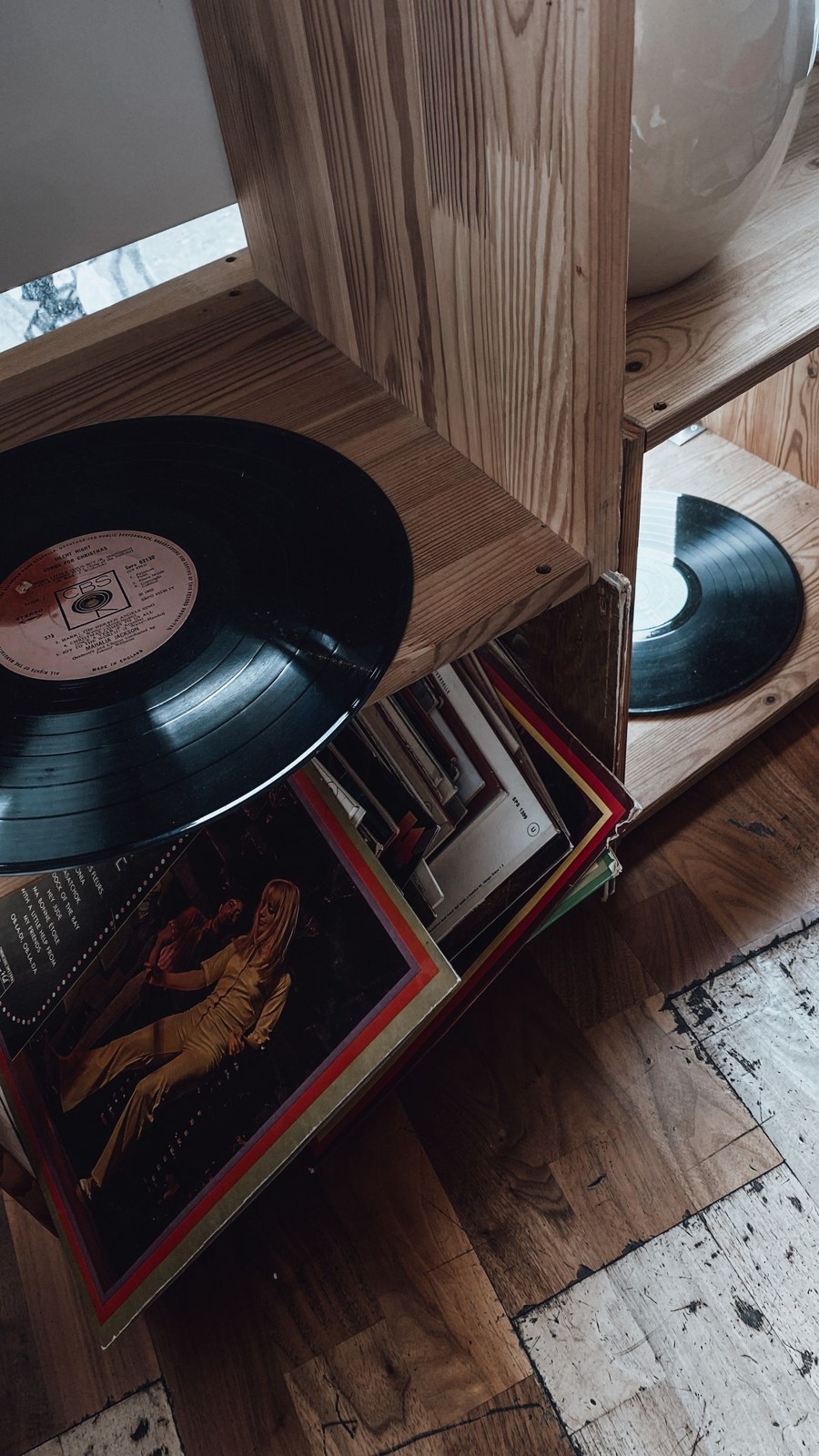
A second copy can be a deliberate choice. The frustration comes when it happens accidentally: another photograph looks like a new release, a preorder is forgotten, or a wish list remains unchanged after purchase. Preventing these duplicates requires less exceptional memory than a short pause before ordering.
Three questions before the basket
First ask whether you already own the music. Then ask whether you own this edition. Finally, check whether the same or an equivalent order is still outstanding. These questions differ. Another colour can represent a different edition of the same music, while ordering the identical product again may simply repeat a purchase. Your records should distinguish them.
Do not merge album title and edition into one unstructured field. For a quick check, title, format, identifiable variant details and status are enough. If uncertain, open your existing note or photograph before comparing another product description. This prevents the shop image becoming the starting point while the actual collection is reconstructed from memory.
Watch for different naming conventions. A listing may add Vinyl or Deluxe while your note contains only the album title. An extra word does not establish new music. Compare the included recordings and specified inserts. The question is not merely whether the product has a different name, but what difference you would actually acquire.
Keep unfinished transactions visible
Record an order as ordered immediately, not only after arrival. Include the intended product and retailer, while storing private payment details separately. If delivery is delayed, retain the entry. Before buying another copy instead, establish the original order's status. A new purchase does not automatically cancel an earlier one.
The same principle helps with gifts. A shared wish list should show when a title has been claimed, without necessarily revealing every detail of the surprise. Brief coordination prevents more duplicates than a list that records wishes but ignores decisions already underway.
Give intentional second copies a reason. You might want another usable format or a documented additional recording. The reason need not persuade anyone else; it simply separates a chosen expansion from an accidental repeat. After purchase, update both levels: the music owned and the particular new copy.
This does not remove spontaneity from collecting. It makes the result understandable. A short comparison before deciding leaves room for discoveries without turning every differently photographed sleeve into an apparently unfamiliar album.