Buying a music gift for a Billy Talent fan
Listening preferences matter more than assumptions about being a fan.
A music gift should fit a person, not merely the name of their favourite band. The obvious album may already be owned. Attractive packaging can be enjoyable without answering whether the format is usable. A few targeted details make a gift more personal without secretly investigating an entire collection.
The question is not only which album
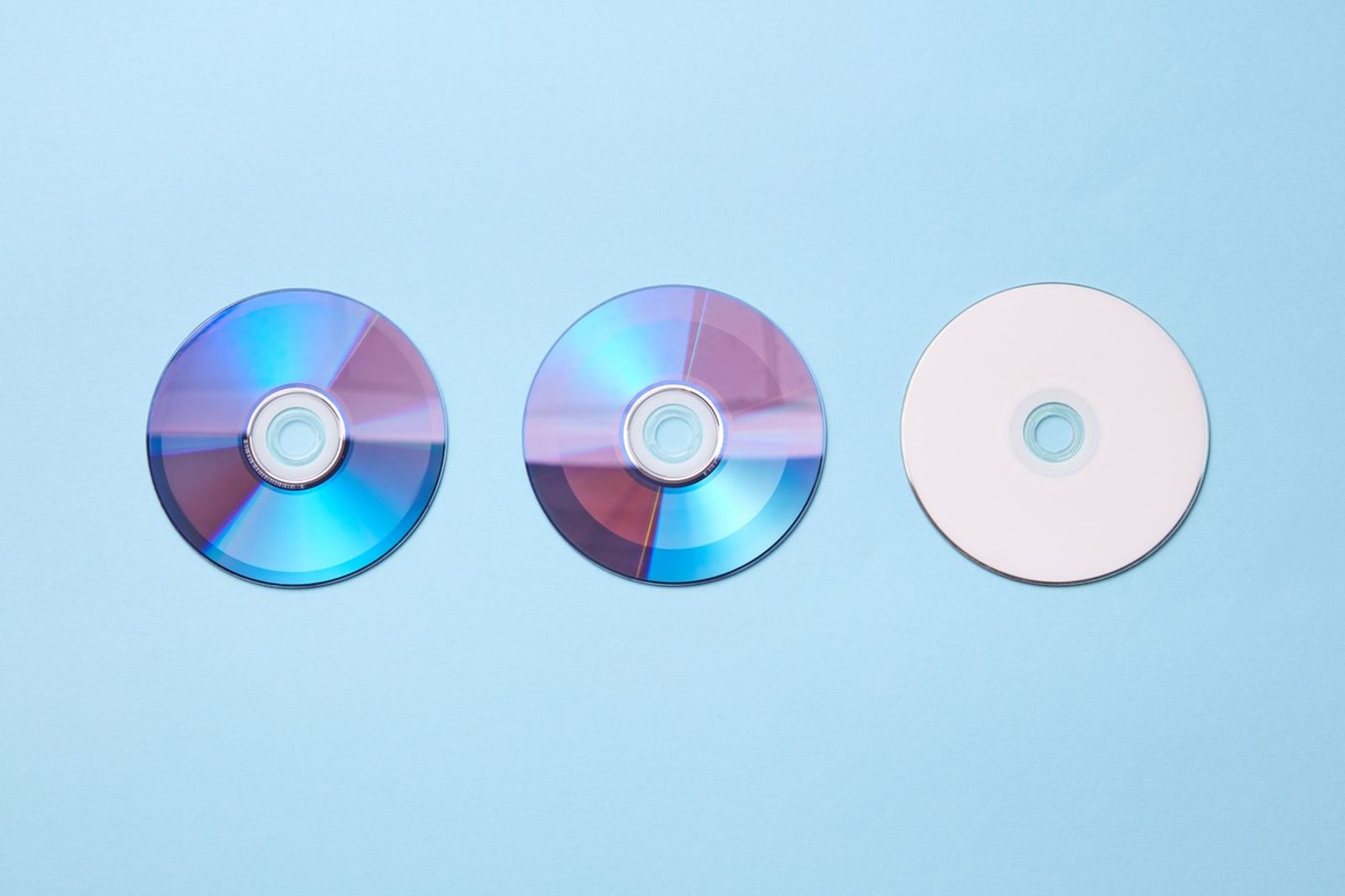
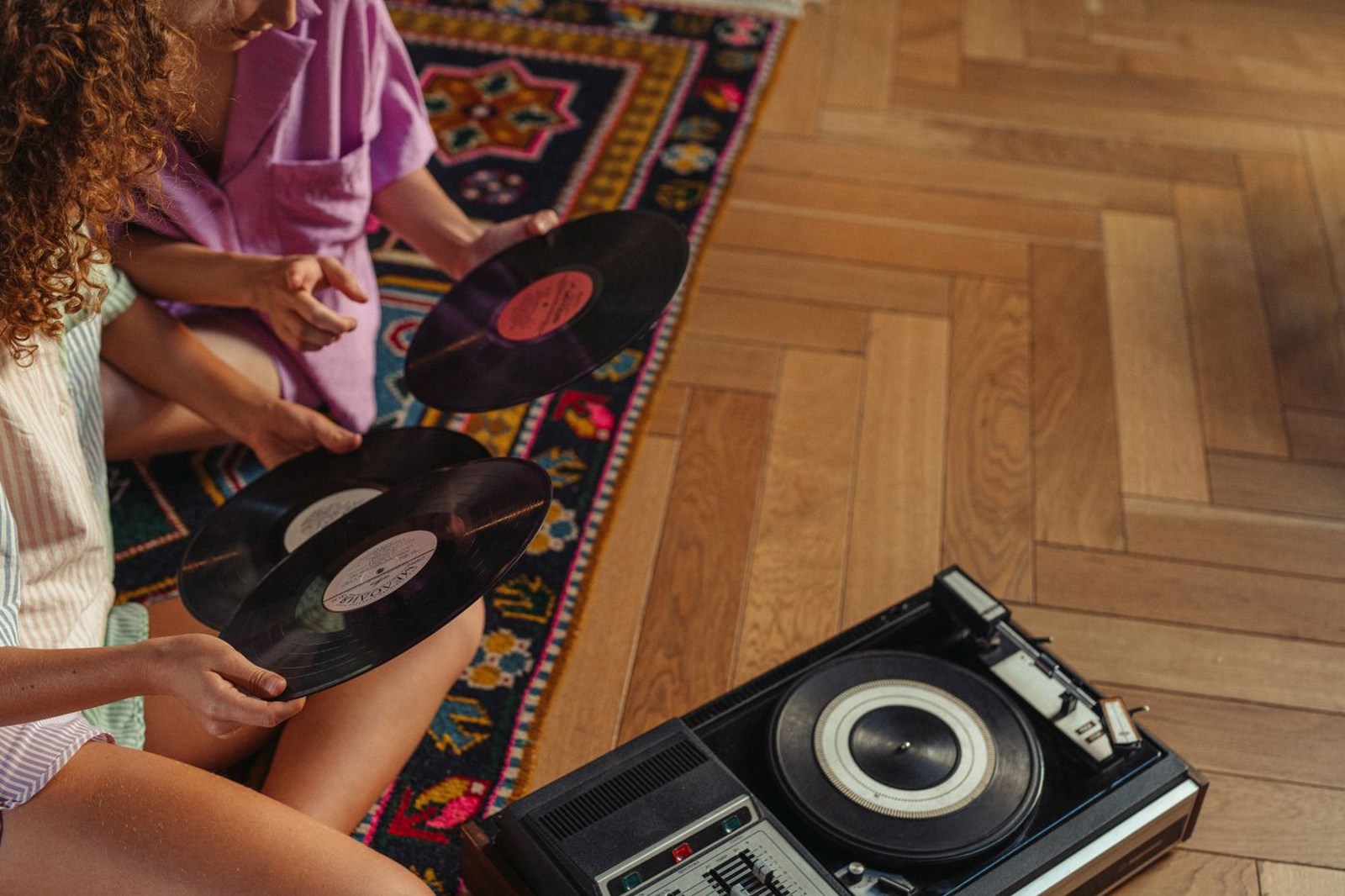
Find out which formats the recipient actually plays. A turntable in a living room may be used daily or mainly serve as decoration. Someone may prefer CDs even if the visible shelves mostly hold records. A casual question about current listening habits often reveals more than assuming that the larger format makes the more impressive gift.
Next establish whether there is a particular request or wish list. A list can preserve surprise if it contains several suitable options. If asking somebody else about the collection, request a specific answer rather than access to private accounts or order histories. Knowing whether the edition is already owned is enough.
Distinguish an album from a variant. Owning the title does not automatically make another colour desirable. A different musical discovery might be more welcome than another package. An alternative edition can still suit someone who explicitly collects those differences. Follow that preference rather than assuming fans want everything.
Consider the occasion's timing
A preorder differs from a product ready to dispatch when a gift has a deadline. Read the seller's current information without treating an announced release date as guaranteed arrival. If the object will arrive later, an honest note about the selected gift may be preferable to a rushed replacement that creates an unwanted duplicate.
Check the actual retailer's current gift-order and return conditions. They vary by seller and situation. Keep the receipt available for later questions without unnecessarily passing payment details to the recipient. This organisation is less visible than wrapping paper but can matter if the edition is wrong.
A personal card can explain the choice: a song you remember hearing together, or an album you discussed. There is no need to invent a special history. A simple real connection makes the gift more personal than claims about rarity or future value.
Ultimately, the music, object and person need to fit together. A usable copy can bring more pleasure than an elaborately advertised set with uncertain contents. The choice improves when the recipient is treated as a listener or collector rather than defined only by a band name.