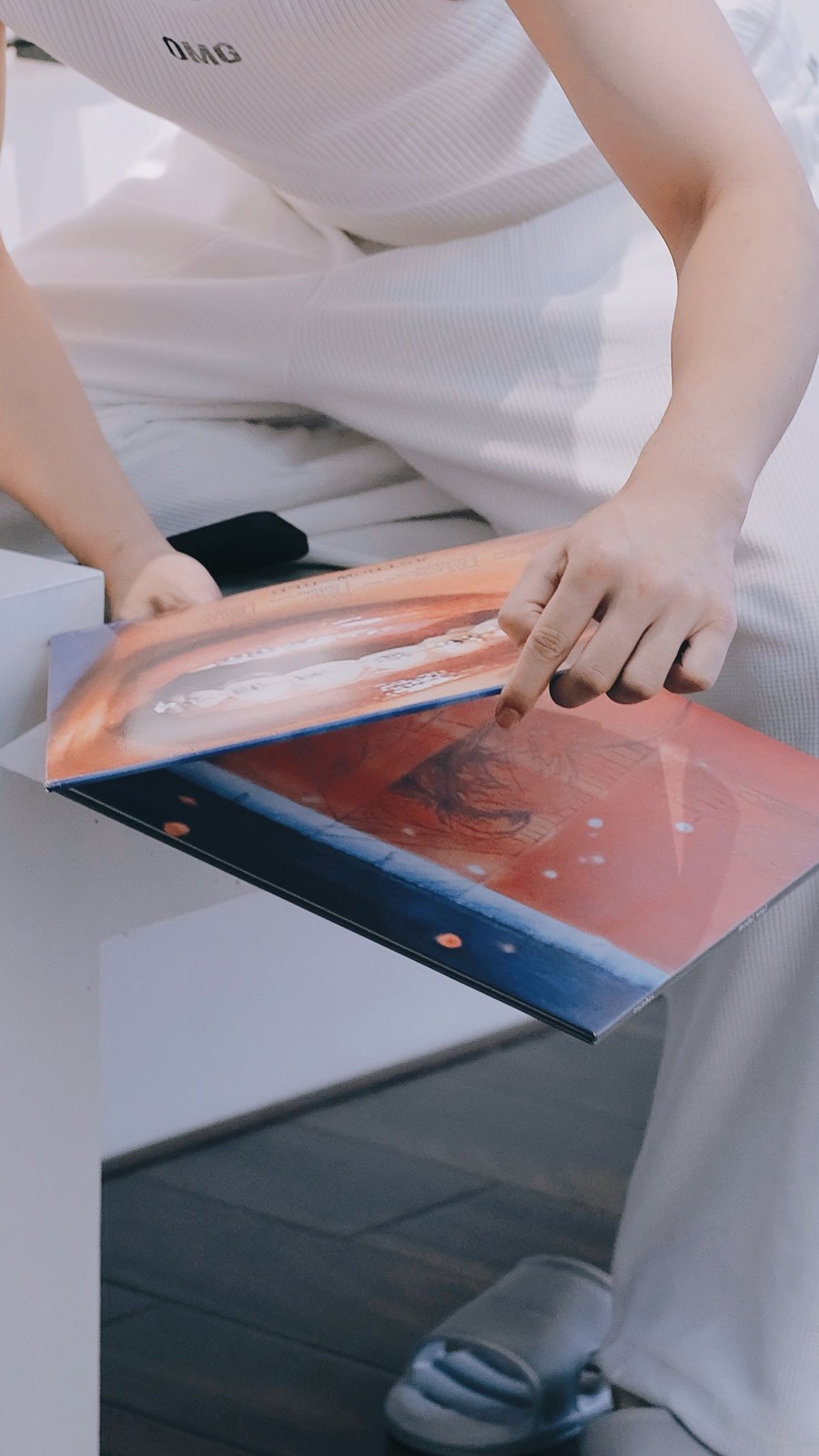
Storing records upright and away from heat
A suitable location matters more than a decorative stack.
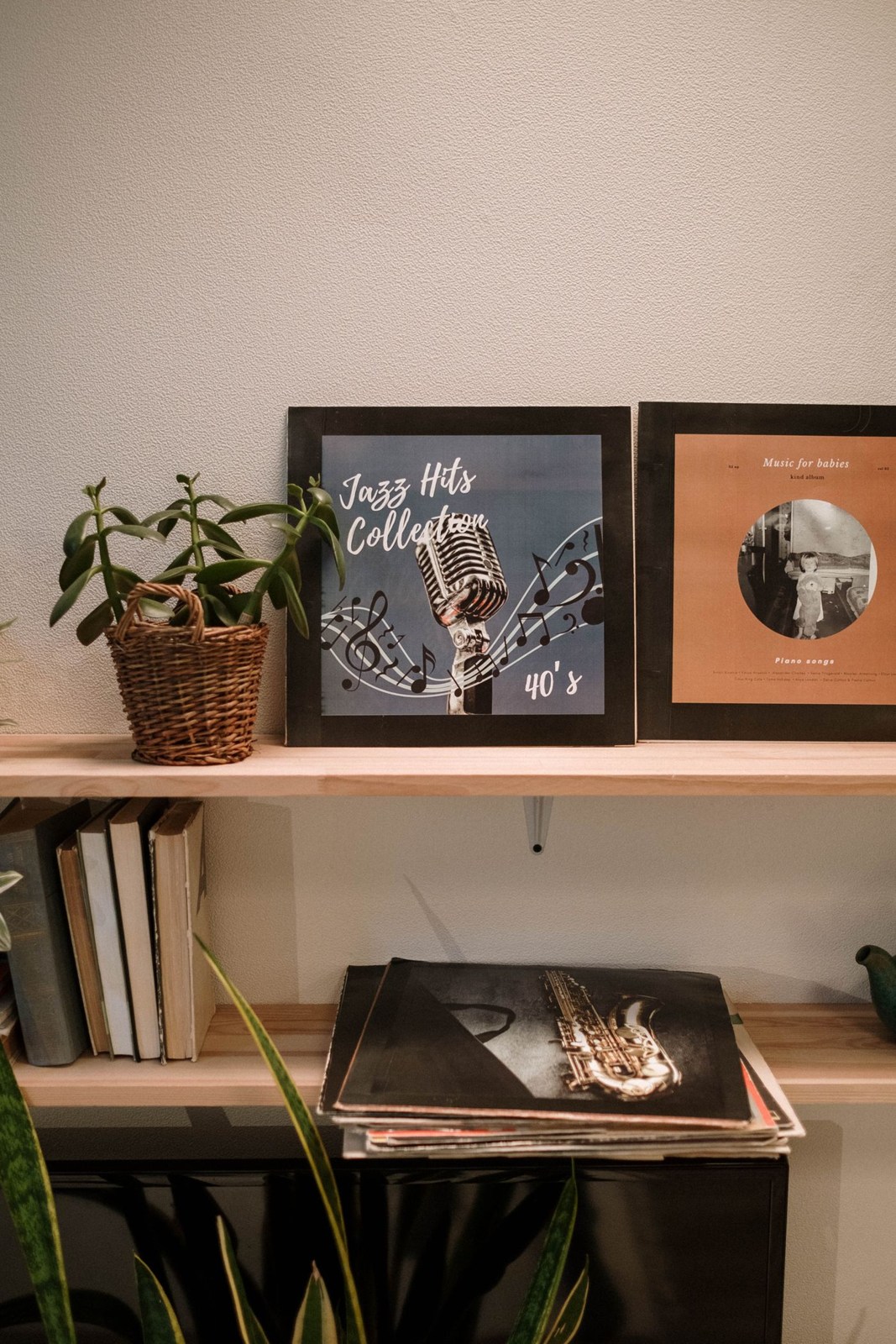
A record collection does not require its own archive room, but it does need a deliberately chosen location. The first decision often happens before shelving: will the space merely look attractive, or also support orderly, careful storage? Both aims can work together when the size and weight of records are considered from the beginning.
The Library of Congress recommends upright, supported storage for grooved discs and a clean, stable environment without direct intense light. Its guidance also advises distance from radiators and vents and avoiding locations with environmental extremes. These are general collection-care principles, not special instructions for Billy Talent releases. The same basic considerations apply to the other records sharing the shelf.
Inspect the real location
Look at the proposed spot at different times of day. A shaded compartment may receive direct sunlight later. Check whether a door can strike the sleeves or a drink is routinely placed immediately above them. Observing ordinary use helps identify avoidable risks before the collection moves in.
Shelving must suit the actual load. Do not rely only on sleeves fitting visually into a compartment. Follow the furniture maker's load and installation guidance. A large empty space is not an invitation to fill it irrespective of strength. When uncertain, a lighter load is preferable to an overloaded shelf.
Arrange supported records so individual sleeves can be removed without force. A tightly packed row makes use awkward, while a small unsupported group can lean over. Plan for growth rather than only the present collection. Spare space has a function; it is not automatically wasted room.
Use is part of storage
Decide where the current sleeve and its inserts will rest during playback. Without a designated place, improvised piles can develop beside the equipment. A clear routine for taking out and returning a record is often more useful than elaborate organisation that gets bypassed in everyday use.
Review the location occasionally, especially after furniture moves or changes to heating use. Notice new signs of damp, distortion in the storage furniture or objects blocking access. This is not a technical condition assessment of every recording. It is a way to identify changes in the surroundings.
Do not convert general care advice into an improvised repair treatment. A warped or damaged record is not safely treated by reversing the storage recommendation and applying heat or pressure yourself. Seek knowledgeable assessment for problematic copies. A suitable storage space serves prevention: keeping the collection accessible without unnecessary stress.