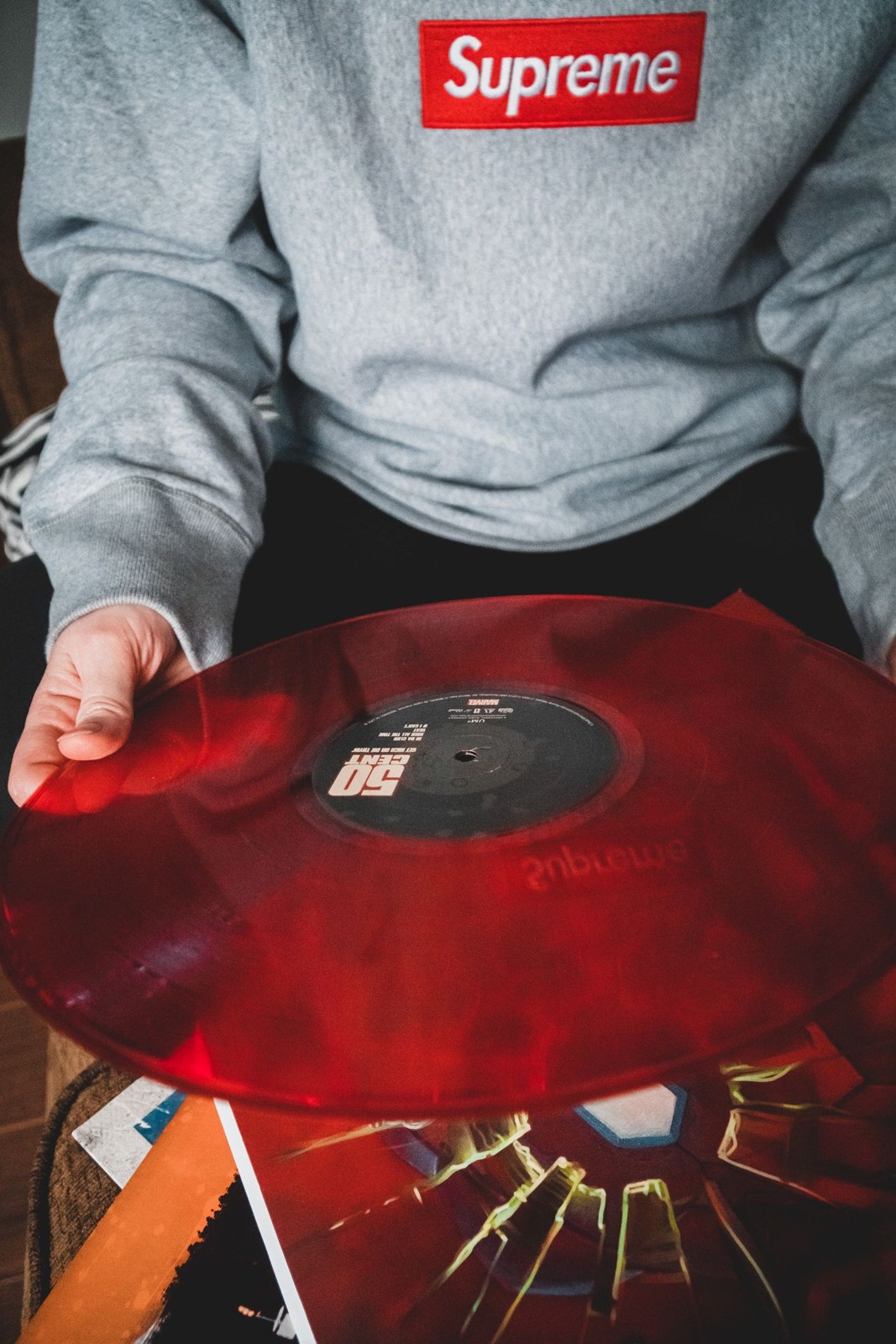
Keeping a collection inventory
A few clearly separated fields are more useful than an unmanageable mass of detail.

A collection inventory answers a simple question: what do I actually have? Once formats, editions and undelivered orders accumulate, memory is not always enough. The list need not become a public archive or an assessment of the collection's importance. It is a personal tool for finding things, comparing editions and avoiding unwanted duplicate purchases.
One entry for each physical copy
Start with artist, title and format. Add a short personal identifier such as BT-001 so that similar copies remain distinct. This is your internal reference, not an official catalogue number. Then record the edition details you genuinely know: printed identifier, colour, disc count and, where established, the year of that edition.
Keep condition and completeness in separate fields. A well-preserved copy may lack an insert; a complete set may have a damaged sleeve. One word such as good merges those questions. A specific note is more useful: split spine, both records present, poster absent. Use the same style of description in later entries so comparisons remain meaningful.
Include a location field. In a small collection, left shelf or CD box two may be enough. If inserts live separately, add their location too. This ordinary detail often helps more than a long list of technical information you cannot confidently identify or rarely use. Organisation should make objects easier to find rather than becoming another confusing collection.
Separate ownership, orders and wishes
Use a status field for owned, ordered and wanted. An outstanding order should not already appear as an inspected copy. Only after delivery can you document actual condition and components. If the order is cancelled, update the status rather than allowing another contradictory list to develop.
Photographs can supplement an entry. Name them with the internal identifier and a clear addition such as back-cover or inserts. This saves searching later. Images do not replace written identification, but they help answer questions that a shop thumbnail cannot resolve. Keep private receipts and payment details in a separate area that is not publicly shared.
An example entry might identify a CD, its catalogue number, the presence of its booklet and its current shelf. A second copy of the same title receives its own identifier if you need to distinguish it. The difference could be a packaging variant or simply a different condition. Do not force both objects into one row merely because their titles match.
Make maintenance manageable
Update the list when a copy arrives, is lent out or leaves the collection. A short note immediately is more reliable than reconstructing several similar purchases later. Unknown details can stay explicitly unresolved. The inventory does not need to pretend completeness to be useful.
Keep an additional copy of the file separately and occasionally confirm that it opens. An exportable format prevents the entire system existing only in one application's view. A complicated database is unnecessary: a readable table with clear fields can already accomplish a great deal.
After a few weeks, remove unused fields and add missing ones. If you never search by colour but frequently need storage locations, arrange the information accordingly. The best inventory is not the longest. It is the one that matches the collection you actually use and supplies a dependable answer to the next practical question.