Write a concert memory without inventing the missing parts
Observation, feeling and later research can coexist when their boundaries remain clear.
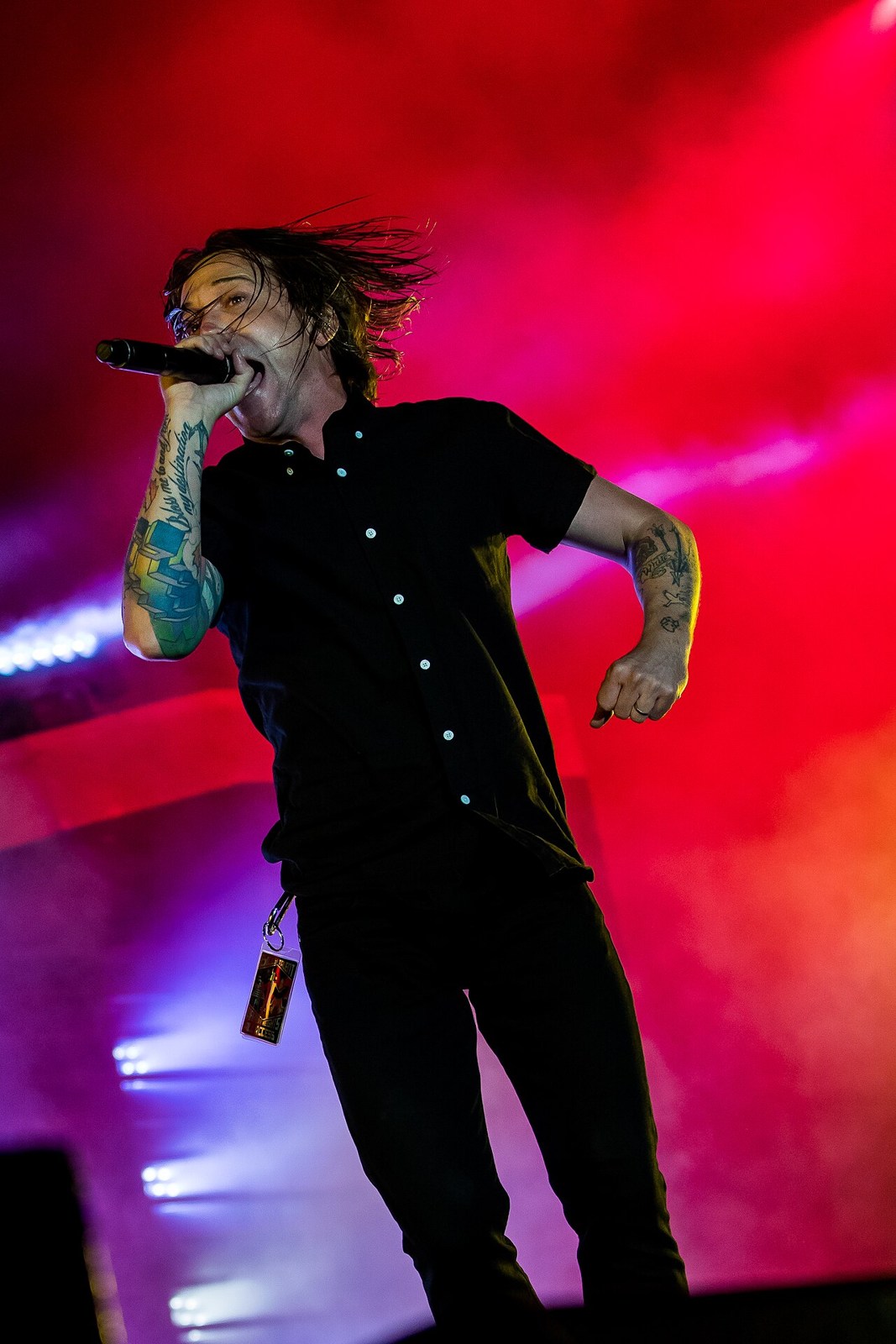
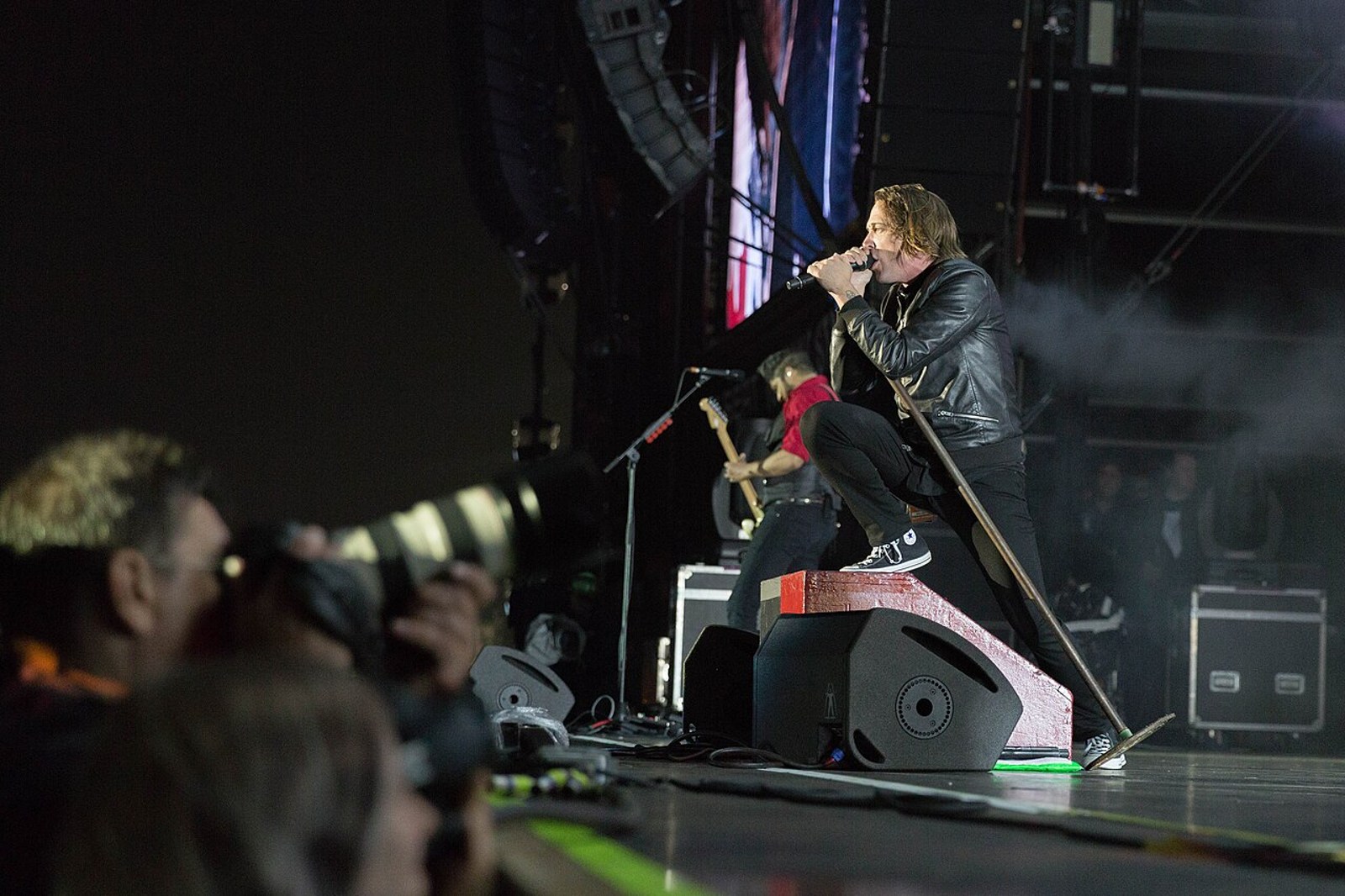
After a Billy Talent concert, particular images or moments may remain vivid while the exact order becomes less clear. A personal account need not fill those gaps with invented certainty. It becomes more credible when it distinguishes observation, feeling and information checked afterwards. Completeness is not the most important quality of a memory, and a limited but honest perspective can be more useful than an apparently exhaustive reconstruction.
Begin with what actually remains
Soon after the show, record a few concrete details: where you were, a moment that caught your attention and a practical feature of the evening. Do not automatically add things associated with concerts in general. If you did not see a stage departure, do not describe an encore break. If an announcement was unclear, do not later present a reconstructed sentence as a verbatim quotation from memory.
A feeling can be expressed subjectively. Saying a song was the strongest moment for you differs from claiming the whole hall agreed. The latter asserts knowledge about many other people. You can describe visible responses in your area, but cannot automatically summarise every attendee's experience. A restricted viewpoint is not a weakness when its boundaries remain visible to the reader.
Make later research identifiable
Date, venue and a complete song order may be checked afterwards. Information obtained later should not be presented as your perception at the time. A short explanation is enough: the sequence was supplemented afterwards using a named source. This keeps the personal memory and documentary addition distinguishable without turning the article into an unnecessarily elaborate research report.
An official live album is a source for the evening attended only if it actually documents that performance. The Frankfurt release cannot become a template for a report from another city. Even for the same event, a published selection may be divided differently from the complete sequence experienced there. Sources help verification; they do not replace attendance.
Select details rather than rebuilding every minute
A readable account does not need the whole evening moment by moment. Two or three clearly described incidents can communicate more than a long list of interchangeable judgements. Explain what made a moment particular for you: perhaps an unexpected selection, or attention shifting towards a part previously overlooked. Avoid general phrases that could be placed beneath almost any other concert report without alteration.
Photographs can support memory but also show only fragments. Their time information may help organise the sequence without proving every circumstance. Treat recognisable people considerately and establish the intended use of their images. Private situations around the event do not need to become material in a public article simply because they happened during the same trip.
Someone who was not present can instead review a recording or assemble documented information. Those are worthwhile forms in their own right. They do not need an invented first-person perspective to become interesting. Clearly identifying the form at the beginning gives readers an appropriate expectation and avoids mixing different kinds of experience later.
Some uncertainty can remain at the end. A transition may no longer be reconstructable, or a song may have been remembered differently. An open description is more honest than a precise sentence without support. A concert memory records what an evening meant to one person. It does not have to become a gapless chronicle to fulfil that purpose.