One guitar on stage, several layers on a recording
Visible personnel do not reveal the number of studio tracks.

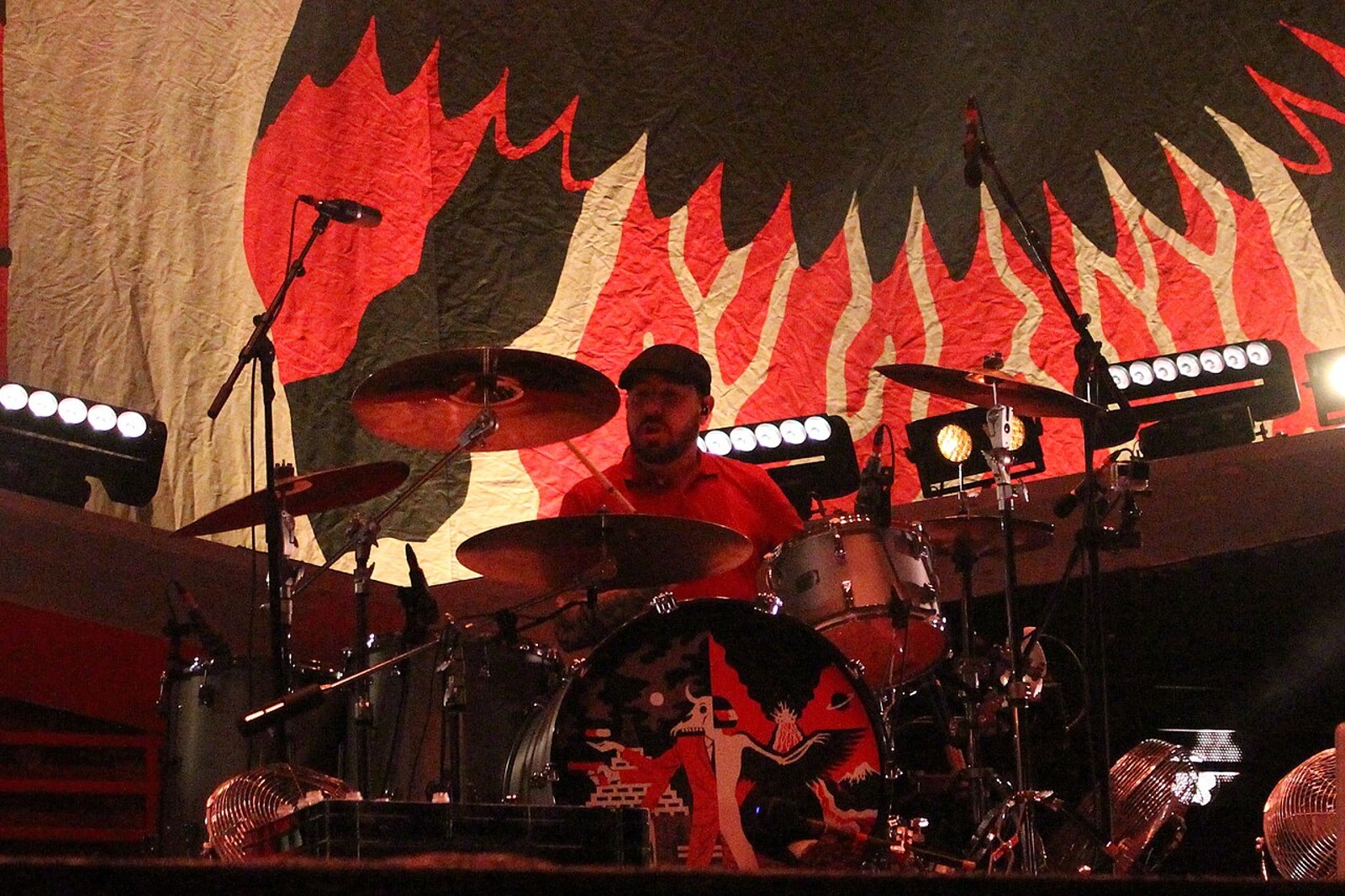
A concert image shows people and instruments at one moment. A studio recording can combine several performances by the same person. The number of visible guitarists therefore does not directly establish the number of guitar tracks on a record. This distinction helps when Billy Talent fans compare a live arrangement with an album version. A change in density is not automatically an error or evidence of a player's limitations.
What another layer means
Overdubbing records another performance alongside material already captured. In general, this might add a voice, a second guitar line or a small accent. That explains a process, not the specific construction of every Billy Talent song. Without documented session information, an article should not announce an exact track count. A wide stereo impression alone identifies neither the number of takes nor the method used to create the result. Several technical routes may lead to a similar impression.
A live arrangement must choose how to present the essential relationships of a recording. A line may be played differently or one function brought forward. That does not necessarily mean something is missing. Another setting has different resources and priorities. A concert need not reproduce every studio layer to preserve a song's recognisable shape. The interesting question is what is retained and how, rather than whether every detail has an identical counterpart.
Compare functions rather than an inventory
Choose an official live recording and the corresponding studio version. Identify one function to follow: the main recurring figure, the rhythmic foundation or a transition. Ask what carries it in each version. Describing a changed relationship is more useful than listing supposedly missing noises. A hand movement seen in a video is also only part of the evidence; editing can omit a relevant action or show another performer at the moment you are investigating.
Avoid comparing tone at sharply different levels. Audience sound, the room and the mix of the live release also affect the impression. A passage that seems thinner does not prove that too little was played on stage. A full sound does not automatically prove additional unseen musicians either. A released concert recording is itself a presentation shaped by decisions about balance. The distinction between an event and its recording remains relevant even when the performance is live.
Players can explore the principle with an original short pattern. Perform one line alone, record it, then add another that fills only a few spaces. Afterwards, try suggesting both functions in one pass. The result will differ, but the task shows what reduction involves: setting priorities rather than forcing everything to happen simultaneously. This is a general exercise, not a reconstruction of a specific band recording or a claim about its production method.
A useful comparison therefore goes beyond studio is better or live is more real. It describes which relationships are preserved, altered or given another weight. Differences become musically interesting instead of merely departures from one supposedly correct version. Both recordings can then be considered on the terms of their own presentation, while the connection between them remains clear enough for a listener to follow.