Aaron Solowoniuk and the band's continuity
Musical work, membership and the visible stage line-up are different things.
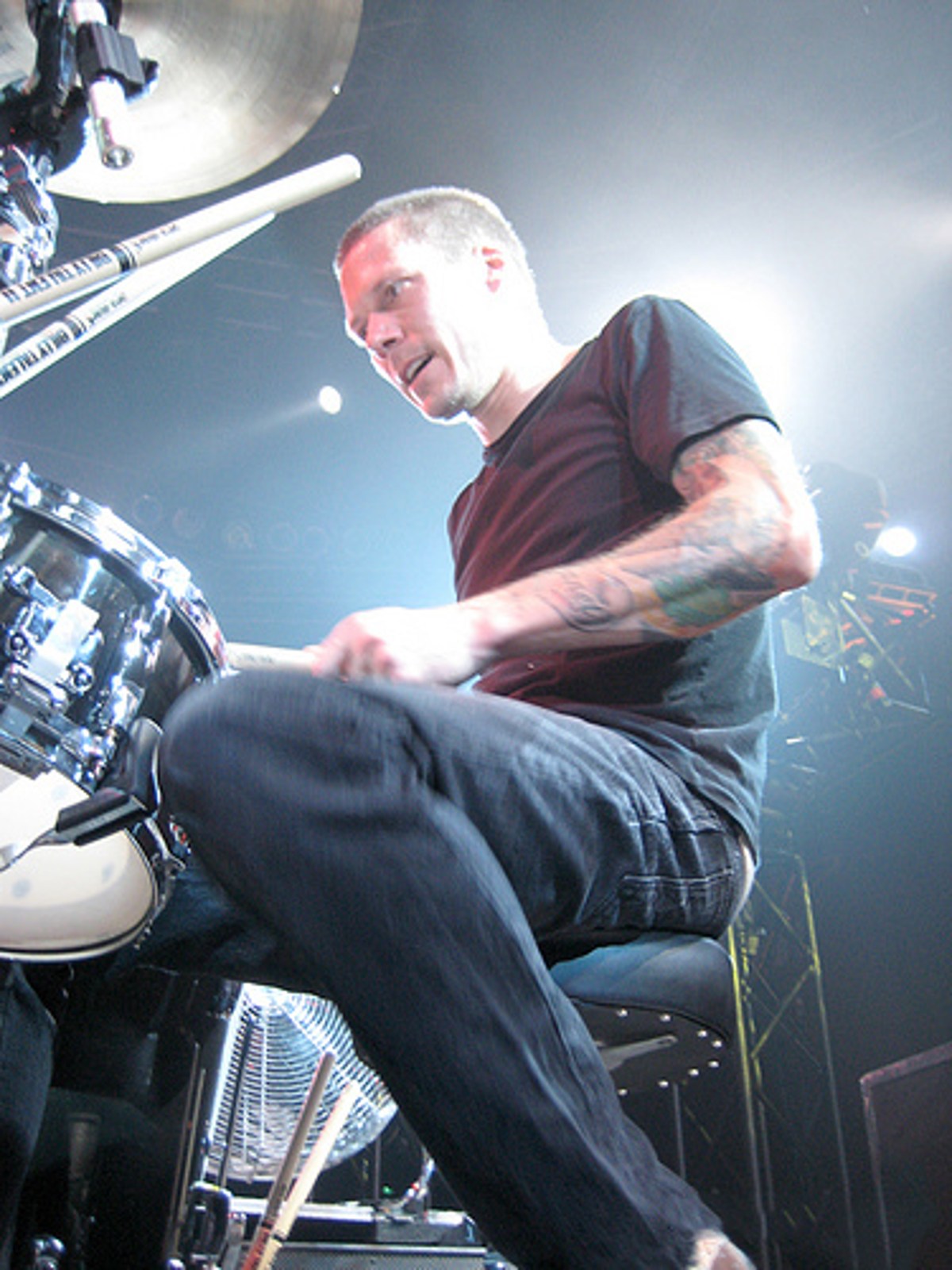
Band histories are often written as a succession of line-up lists. That is tidy, but it can conceal important relationships. Aaron Solowoniuk's place in Billy Talent shows why the drummer visible at one concert does not by itself settle the question of belonging. Recordings, shared decisions and long-term collaboration are different layers of the same history.
In his own 2009 interview with Punktastic, Solowoniuk discussed recording Billy Talent III with Brendan O'Brien. He described tracking his drums while Ian D'Sa and Jon Gallant played in the room with him. That specific detail presents him as an active musician within a shared recording situation. It is a useful starting point before considering later changes.
Ensemble playing happens between people
Playing together allows musicians to respond directly to one another's timing, duration and accents. It does not automatically mean that every finished track is an unedited single take. An account of a recording setup and a description of the final production are different claims. Nevertheless, the shared room explains something an instrument list cannot: a part can develop through interaction rather than existing in isolation beside other parts.
For listeners, the relationship between bass, guitar and drums is consequently worth following. Where do they stop together? Where does one element continue? Drumming does more than maintain a regular speed. Its entrances can frame a section or prepare a transition. The particular choice should be described from a specific passage rather than attributing every dynamic change in a recording to one musician.
A changed role is not necessarily an ending
Kowalewicz told Kerrang! in 2021 that Solowoniuk remained involved in band decisions after his publicly discussed withdrawal from active drumming. He also described Jordan Hastings as an official member. That account resists the simple assumption that another drummer must erase the previous person's place. Medical detail is unnecessary for understanding the distinction.
The same distinction matters when reading photographs and concert reports. A picture documents a visible line-up at a particular place and time. It cannot show every responsibility within a group. Likewise, an album credit initially establishes participation in that release. Confusing these forms of evidence turns a limited document into a comprehensive claim it cannot support.
There is a further reason to keep dates attached to these accounts. A musician discussing a working relationship in one year is providing evidence about that moment, not issuing a permanent description of every future tour. Respecting the date makes the information more useful and avoids turning an older interview into an unsupported update.
Solowoniuk should therefore neither be reduced to a health narrative nor mentally removed from later chapters. His documented drumming belongs to the music; his publicly described continuing involvement belongs to the band's organisational and personal continuity. Both can be recognised together. A precise portrait respects those roles without searching for private details or inferring a present medical condition from earlier statements.