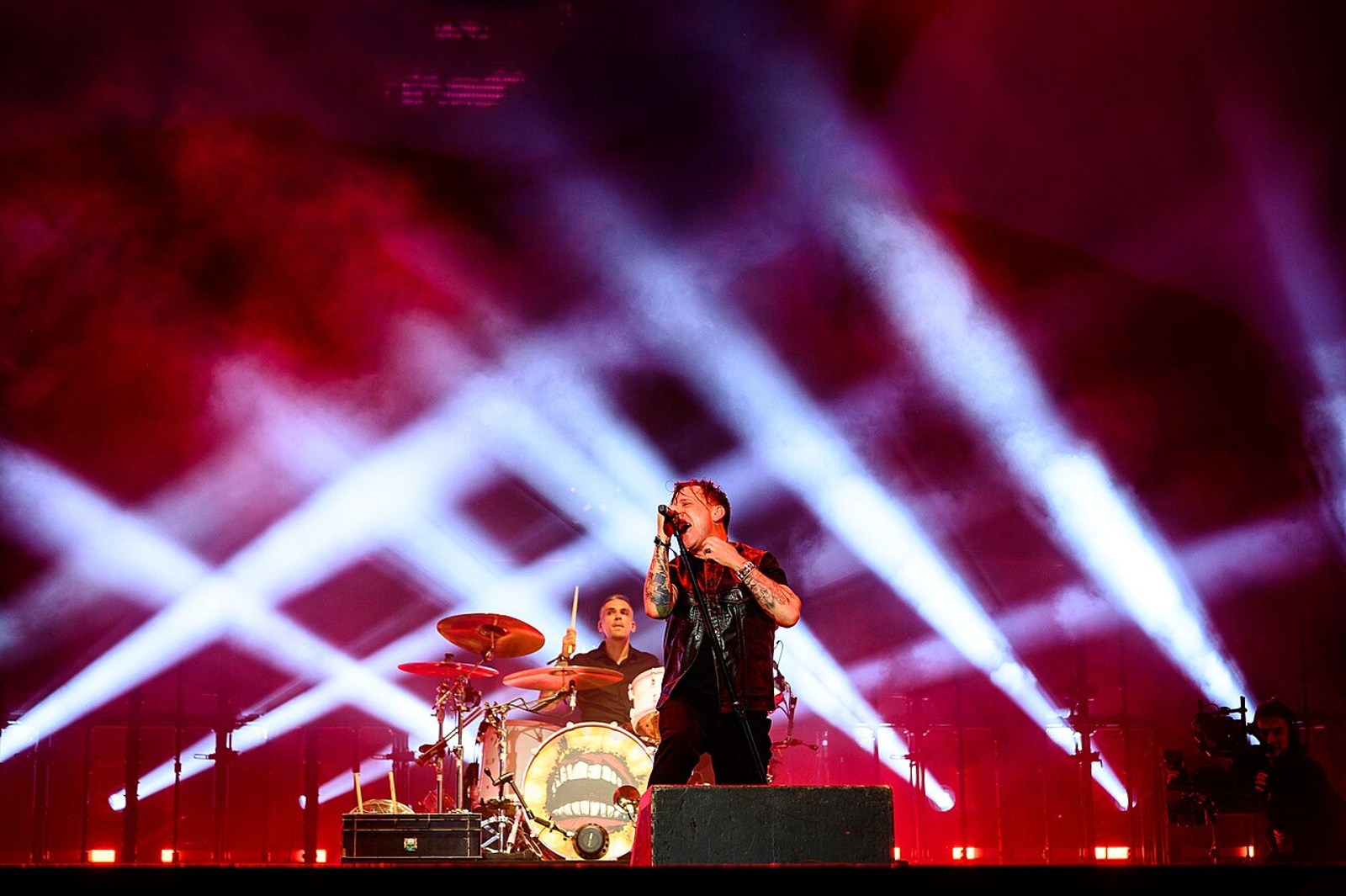
Worker Bees: thinking about the collective image
Group language offers a particular entrance into the fourth track on Billy Talent II.
Worker Bees is the fourth track on Billy Talent II. Its title names a group with a function rather than a single character. In that respect it differs from many relationship-related names elsewhere in the catalogue. An editorial discussion can begin with the relationship between individual and collective. It should not mistake a musical image for a factual account of bee biology or treat the title as a scientific explanation.
Cooperation is not the same as obedience
Worker bees evoke activity, order and interdependence. Applied metaphorically to people, those qualities can appear constructive or unsettling. Cooperation makes possible things an individual cannot accomplish; subordination can displace personal judgement. That tension offers one route into the title. It does not establish that every mention of a group carries the same political meaning or that one interpretation exhausts the work.
Animal imagery particularly requires a distinction between description and justification. A behaviour observed in nature does not automatically supply a rule for human society. Discussing Worker Bees can explore the image without deriving instructions for how people should live. Moving from the animal term to a human situation is an interpretive decision, and the writing should leave that movement visible rather than disguising it as an objective fact.
A change in scale within the sequence
The published album places Worker Bees between This Suffering and Pins and Needles. The neighbouring names suggest a particular or bodily experienced condition; between them comes a collective image. That change can be identified in the sequence of titles without proving the songs form a continuous narrative. The works retain their separate reference points even when a reader notices relationships between them.
Naming this change in scale is more productive than filing the track under a broad political label and stopping there. The label does not explain which question the metaphor raises. Does your reading concern belonging, interchangeability or obedience? Those words describe different problems. Distinguishing them allows a discussion to move beyond simply repeating the animal image in more elaborate language.
Illustration needs to respect the distinction too. A real photograph of bees shows animals, not a documented scene from a Billy Talent video or an established official symbol. It can accompany the literal wording of the name. Meaning develops in the discussion and the encounter with the work. The image then remains precise without forcing an allegedly authoritative visual explanation onto the song.