Stand Up and Run: a love song inside Dead Silence
Calling it a love song provides a starting point, not a complete description.
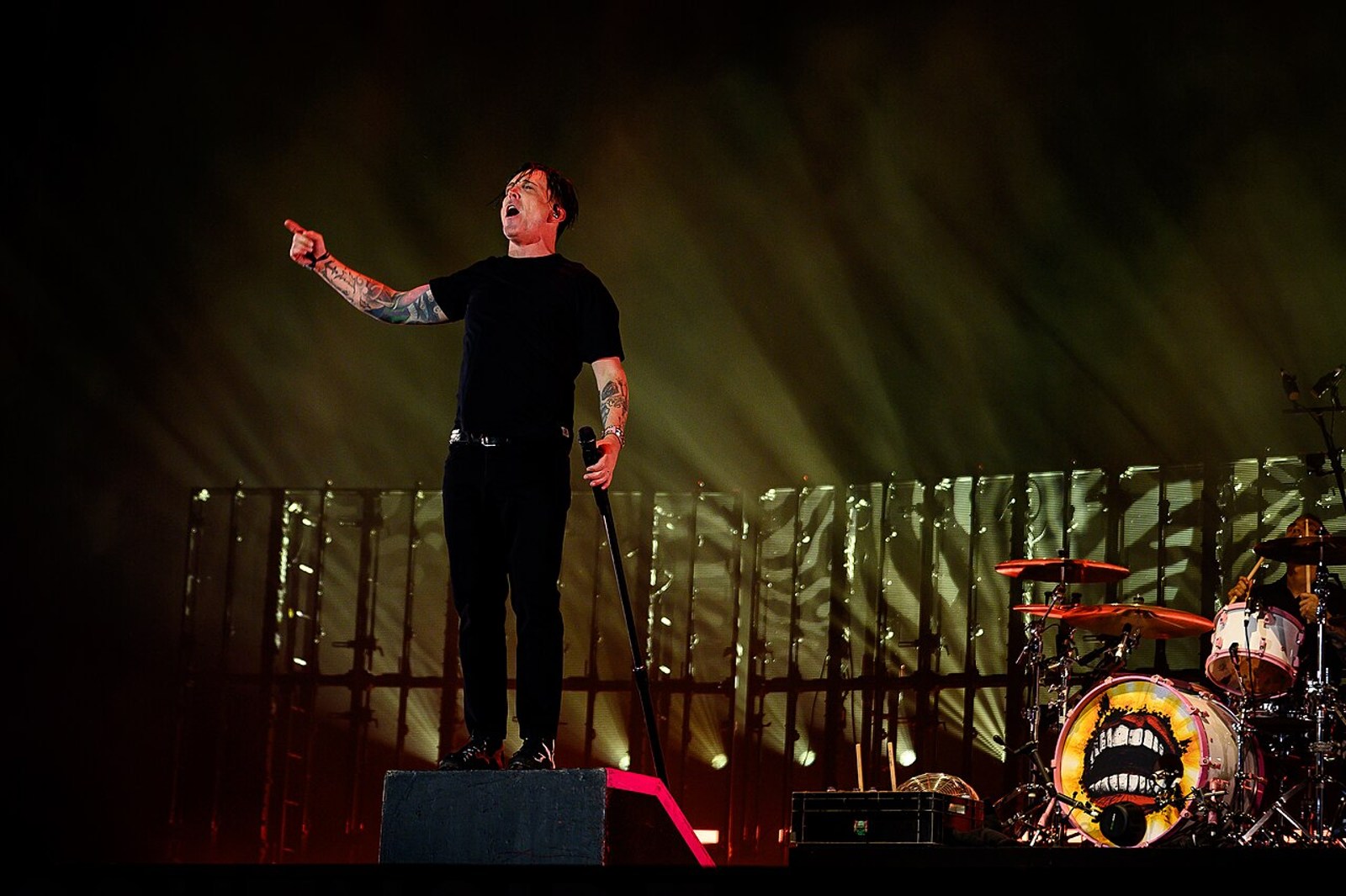
Speaking to Outline, Ben Kowalewicz described Stand Up and Run as a love song with a connection to the fifties and sixties. That brief statement offers a documented starting point without deciding the listening experience in advance. It also shows why the track should not be explained solely through the dramatic album title Dead Silence. An album name supplies a frame, not a rule governing every relationship represented within it.
A genre label leaves important differences open
Love song identifies a subject area rather than one uniform emotional condition. Closeness can be desired, remembered, threatened or taken for granted. An instruction may sound like encouragement, a request, impatience or a shared decision. Simply describing a song as romantic hides those differences. In Stand Up and Run, the connection between two actions is particularly worth considering: the faster movement is preceded by getting to one's feet.
An interpretation might see that sequence as a reminder that starting has conditions. A position changes before movement becomes possible. It would nevertheless go too far to build a detailed scene with fixed characters from the phrase alone. The title provides an image of action, not a complete film script. Its openness allows a transition to be considered without requiring every word to be classified immediately as either literal or metaphorical. The uncertainty is part of what the discussion can examine.
Use a period reference carefully
The mention of older pop traditions is an invitation to compare, not a licence to collect arbitrary resemblances. A decade contains countless recordings with different voices, instruments and production approaches. The reference should therefore not be inflated into a claim that the track precisely reproduces one old single. Without a more specific statement, that would be your comparison and should be identified as such. A broad historical cue is not a detailed account of composition.
A cautious comparison asks what a familiar-seeming form does. Does it create closeness quickly? Does it make direct address feel less in need of explanation? Or does a recognisable gesture acquire distance when placed in another context? These questions remain open to the experience of the recording. They make the period reference a working idea rather than a decorative badge of quality. Something does not become more sincere merely because a listener associates it with earlier music.
Try speaking the title before hearing it sung. The word and joins two imperatives into a small sequence. Once a voice sings them, duration, emphasis and the relation to the accompaniment enter the picture. Those additional dimensions are needed before describing the effect. The written phrase and the performed presentation are not interchangeable. Their difference can be a worthwhile subject in its own right, especially when a title initially looks straightforward.
Do not make the album compete with itself
Within Dead Silence, placing Stand Up and Run beside Viking Death March need not become a contest between personal and social subjects. Different scales can coexist on one record. A love song is not automatically outside politics, but neither must a commentator add a political explanation to make it worthwhile. Its handling of closeness can be a sufficient subject. Allowing the smaller scale to matter avoids treating every contrast as a hierarchy.
If recommending this track as an introduction, explain the route you are offering. An invitation through direct address is different from claiming that one song contains the whole band. The distinction leaves expectations open. This selection might lead a newcomer to the record's contrasting pieces because it established a connection that a ranked list could not. That is a useful recommendation without requiring the track to stand for every aspect of Billy Talent's catalogue.