F.U.MS. and the connection with fans
Shared interest in a concert can become a specific form of support.
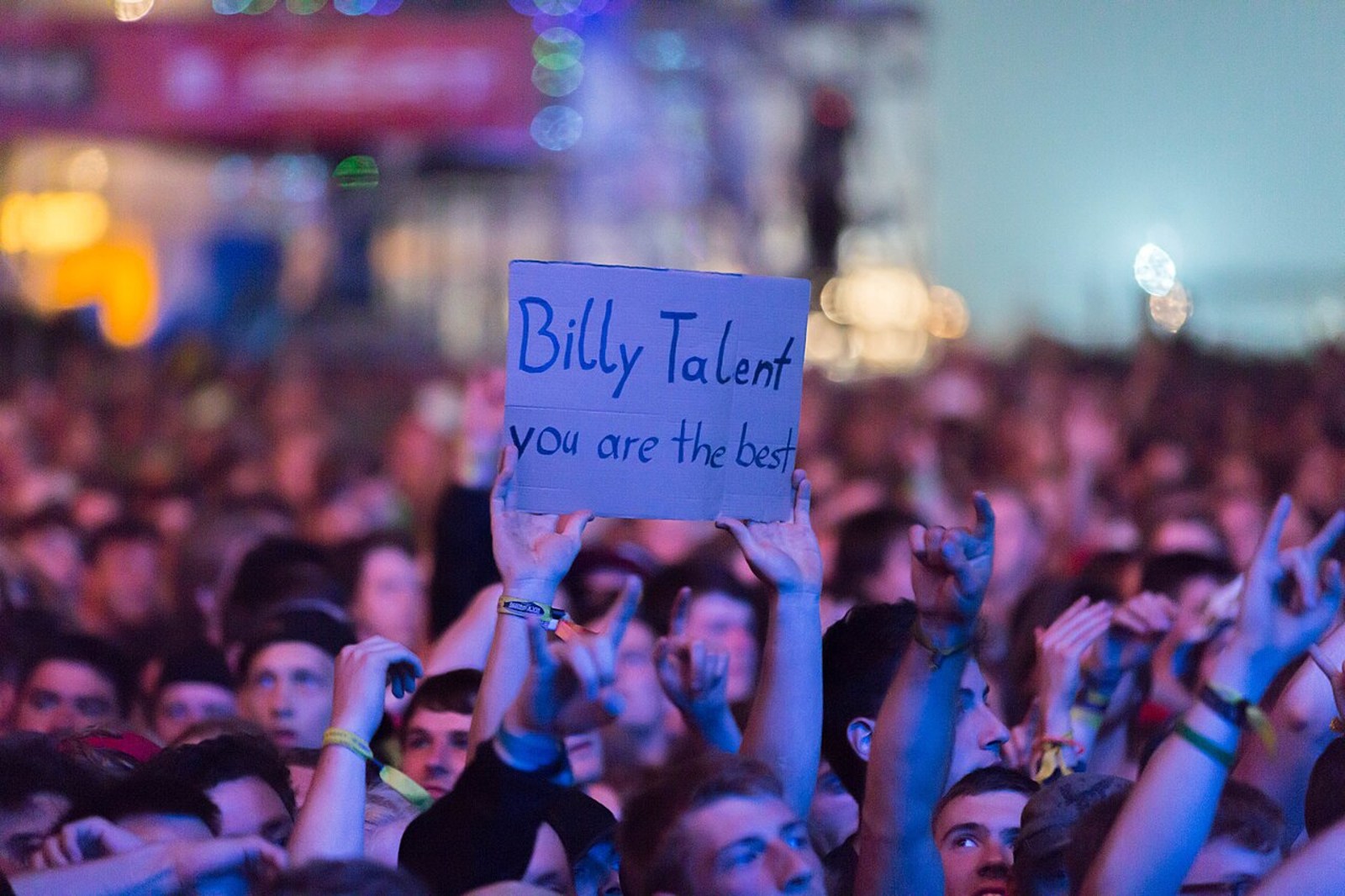
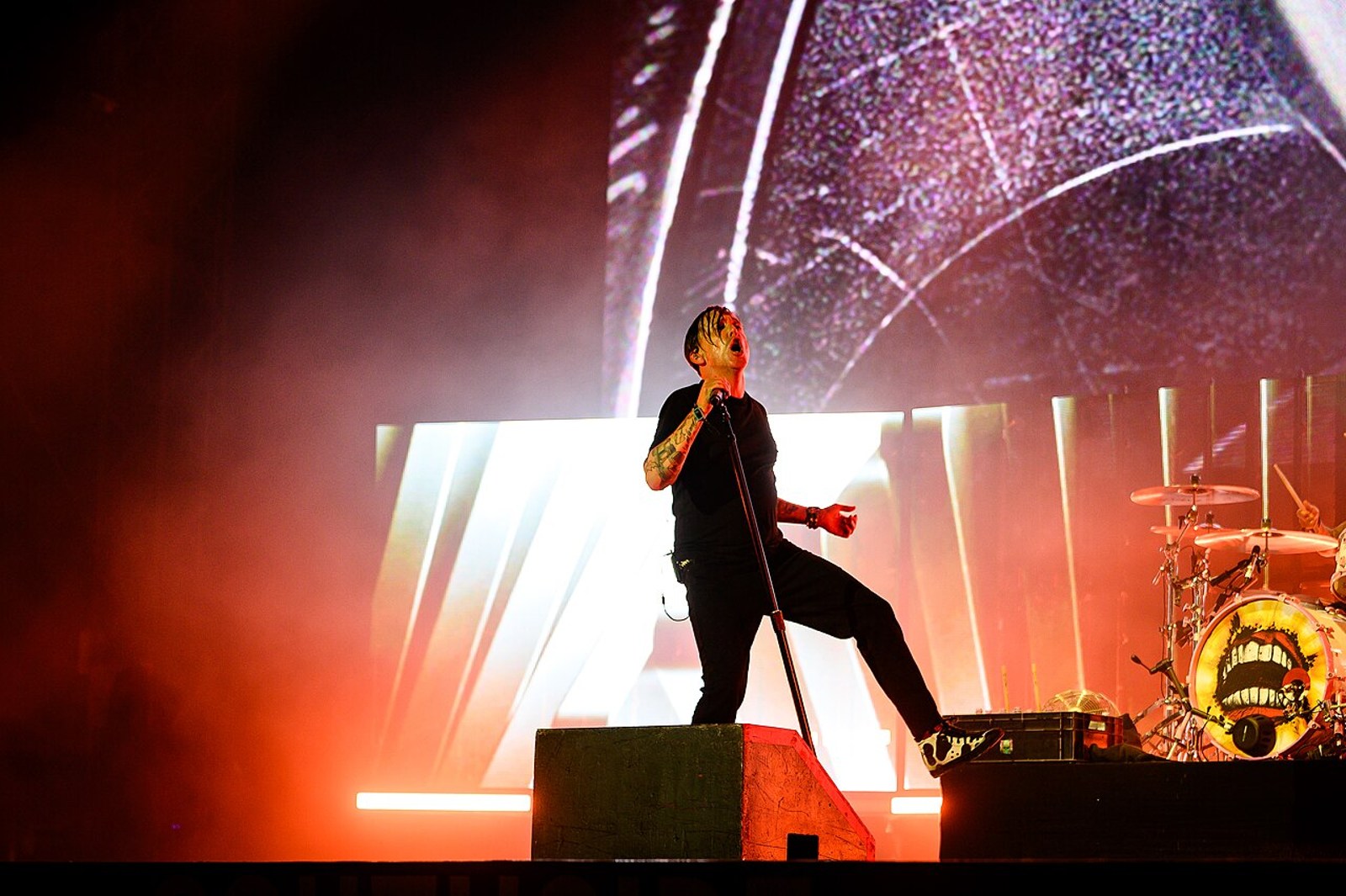
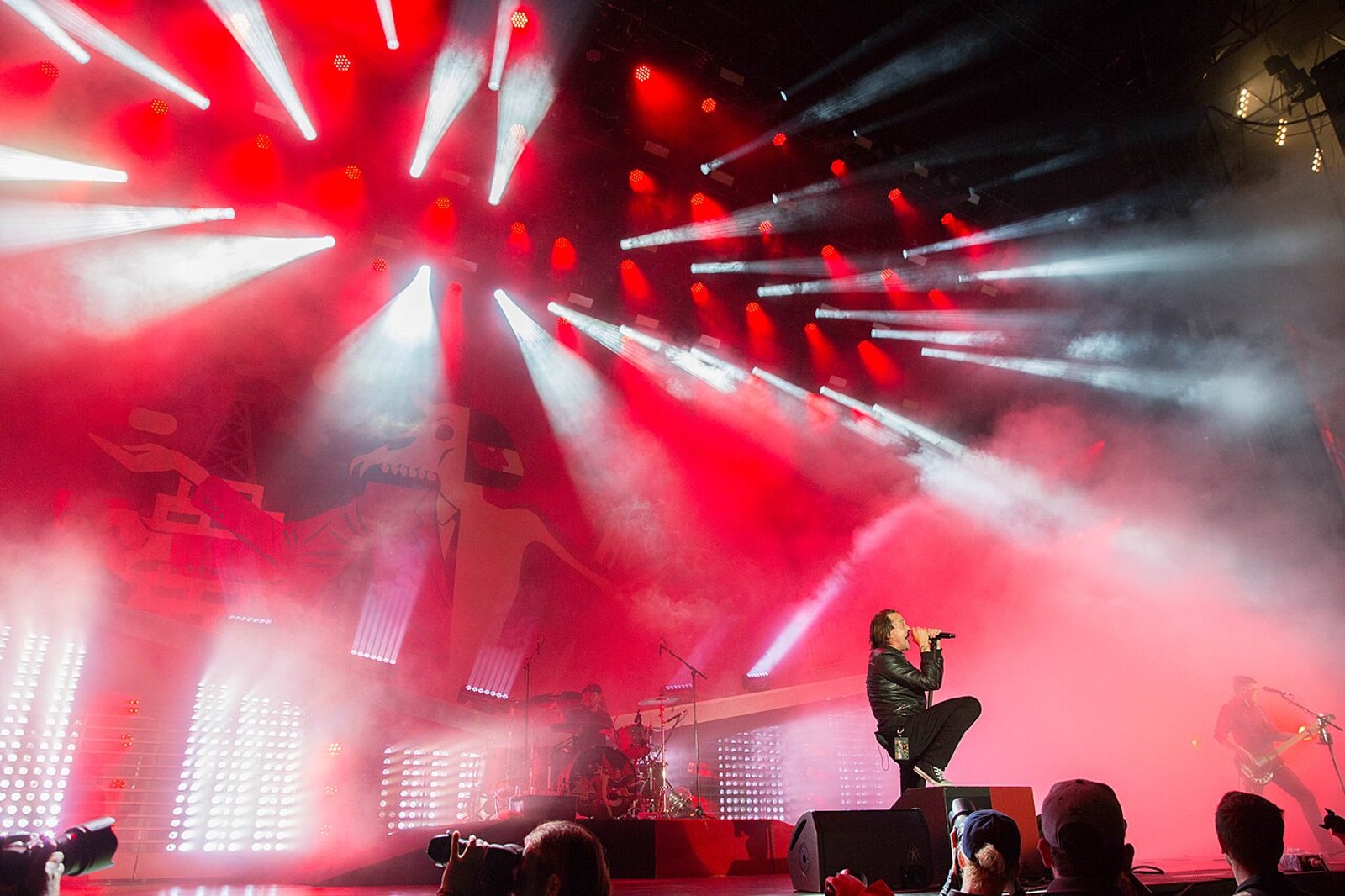
F.U.MS. is one of the contexts in which the relationship between Billy Talent and their audience extends beyond music. Associated with Aaron Solowoniuk, the initiative supports people affected by multiple sclerosis. A fan site does not need to provide medical explanations or repeat personal health details to describe that relationship. The relevant connection here is between an event, participation and the organisation receiving support.
On June 26, 2026, F.U.MS Germany reported on benefit concerts at Berlin's Columbia Theater and Cologne's Kantine. Its account stated that ticket proceeds and additional donations together raised more than €36,000. The site identifies F.U.MS Germany as an official chapter of DMSG NRW. These details concern those events, not an unlimited total for all F.U.MS activity.
Community becomes visible through an action
A concert first creates a shared situation: people gather because of the same music. An explicitly identified benefit connection gives that situation another purpose. The recipient and the form of participation need to be understandable. A band's name on a poster does not itself establish whether an event contributes all proceeds, a fixed proportion or optional additional donations.
The German initiative's published result also shows why a retrospective can say more than an announcement. Before an event, organisers describe an intention. Afterwards, an organisation can report an amount actually raised. Both documents have a place, but they answer different questions. An old ticket announcement is consequently not a current donation request, and a result report does not indicate that tickets remain available.
For fans, this offers participation that does not depend on musical expertise. Nobody needs to know the whole catalogue or claim unusual closeness to the band to support an identified purpose. Equally, non-participation should not be interpreted as a lack of commitment. Financial circumstances, distance and personal priorities differ. Community is not a competition to make the most visible contribution.
Share information without confusing responsibilities
When passing on an initiative, linking directly to the responsible organisation and retaining the date is more helpful than circulating an isolated picture with old payment details. A fan page can explain an event's place in band history. It should not imply that it receives donations on the initiative's behalf or administers its projects.
Language about the people being supported matters too. The focus can remain on participation, assistance and documented activities instead of reducing people to a diagnosis. A benefit report cannot establish anything about an individual's treatment or medical outlook. F.U.MS. belongs here as part of a social relationship around the band, not as a reason to offer health advice.
This also leaves room to recognise work that happens away from the stage. An audience sees a performance; the published report identifies the organisation connected with its charitable purpose. The event should not be described as if publicity and delivery were the same task. Clear attribution gives each part of the collaboration its own place.
The Berlin and Cologne example supplies a traceable sequence: two named venues, an identified recipient and a result published afterwards. That makes it useful for a historical overview. It connects a shared musical interest with a documented action without pretending that one pair of concerts tells the initiative's entire story.