February Winds: weather, shelter and belonging
The documented context takes the title beyond a purely seasonal mood.
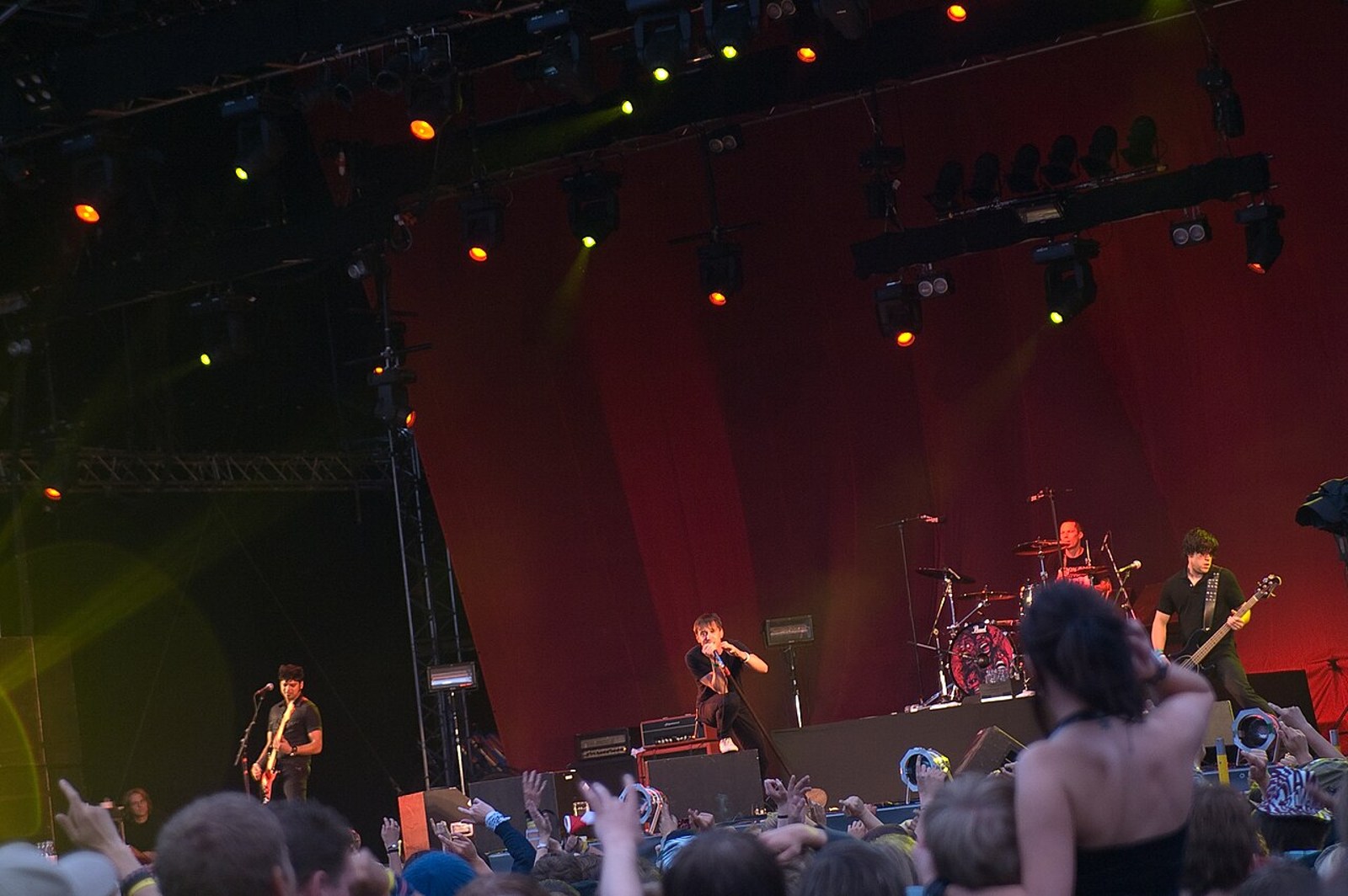
February Winds might initially look like a purely seasonal title. In the Geki Rock interview, however, Ben Kowalewicz connected the song with refugees and a wish for greater understanding. That narrow, documented point changes the starting position of a discussion. It is not a reason to turn every weather image into a political symbol. Here, a participant's statement explicitly opens a social context, providing something firmer than an association drawn from the name alone.
Weather is not the same experience for everyone
An original extension of that context is to ask how differently weather is experienced depending on whether shelter is taken for granted. Cold can be observed from a heated room or encountered as an immediate restriction on movement and rest. The same description then acquires a different closeness. This is our reading of the title image and its possible effect, not an additional statement attributed to the interview. Keeping those levels separate makes the argument clearer.
Belonging also begins before a national border comes into view. The distinction between inside and outside already assumes that some people can enter a secure place while others cannot. A song may make that contrast emotionally accessible without offering a complete account of social circumstances. Commentary should not confuse this capacity with a completeness that music neither promises nor needs to supply. An image can direct attention without becoming a comprehensive explanation.
Empathy does not require invented biographies
With a humanitarian subject, it is tempting to make an article more vivid by adding an individual story. Where no verified account is available, names, journeys and experiences should not be invented and attached to the work. Specificity can come instead from examining a contrast, a viewpoint or a choice of language. A respectful text does not need to display somebody else's imagined biography to take its subject seriously. Accuracy is part of that respect, not an obstacle to it.
Nor should fan commentary reduce people to the role of needing help. Any group contains individuals with different choices, abilities and aims. When writing about the song's effect, consider your own position as a listener. What becomes visible to you that previously felt abstract? This is a narrower and more honest question than claiming the recording explains everybody's experience. It acknowledges that a response belongs to the audience rather than speaking on behalf of all the people a song may concern.
The title also names a particular month. February is not simply a universal substitute for bad weather; it calls up different conditions in different places. A German audience may readily make a winter connection, but that is not an identical worldwide experience. Translation and international discussion should retain the perspective involved. The name remains specific while its associations may change with the location of the listener. That difference can be acknowledged without making the image meaningless.
Agreement is not the whole encounter
Sharing a social position does not complete an examination of how a work presents it. Notice how directly or indirectly you feel addressed, and what distance remains between knowing the background and experiencing the recording. Two listeners may agree with the concern and still respond differently to the song. That is a reason to discuss form more carefully, not to pretend the social question has disappeared. Agreement and aesthetic response are related but separate dimensions.
Try describing February Winds first through the expectation produced by its title. After listening and considering the brief background statement, write another paragraph. Where has the scale of the subject changed? The weather image may remain while its human significance receives a different weight. Making that shift visible is more informative than retrospectively claiming the social connection was obvious at first sight. It shows what the context actually contributed to your reading.
A fan article can therefore discuss music while acknowledging the limits of its own perspective. The singer's statement provides a documented reason for the approach; the subsequent observations must show their own reasoning. This leaves room for concern without turning the song into a general factual authority or assigning invented experiences to the people it brings into view.